
Artist’s Statement about my Creative Vision:
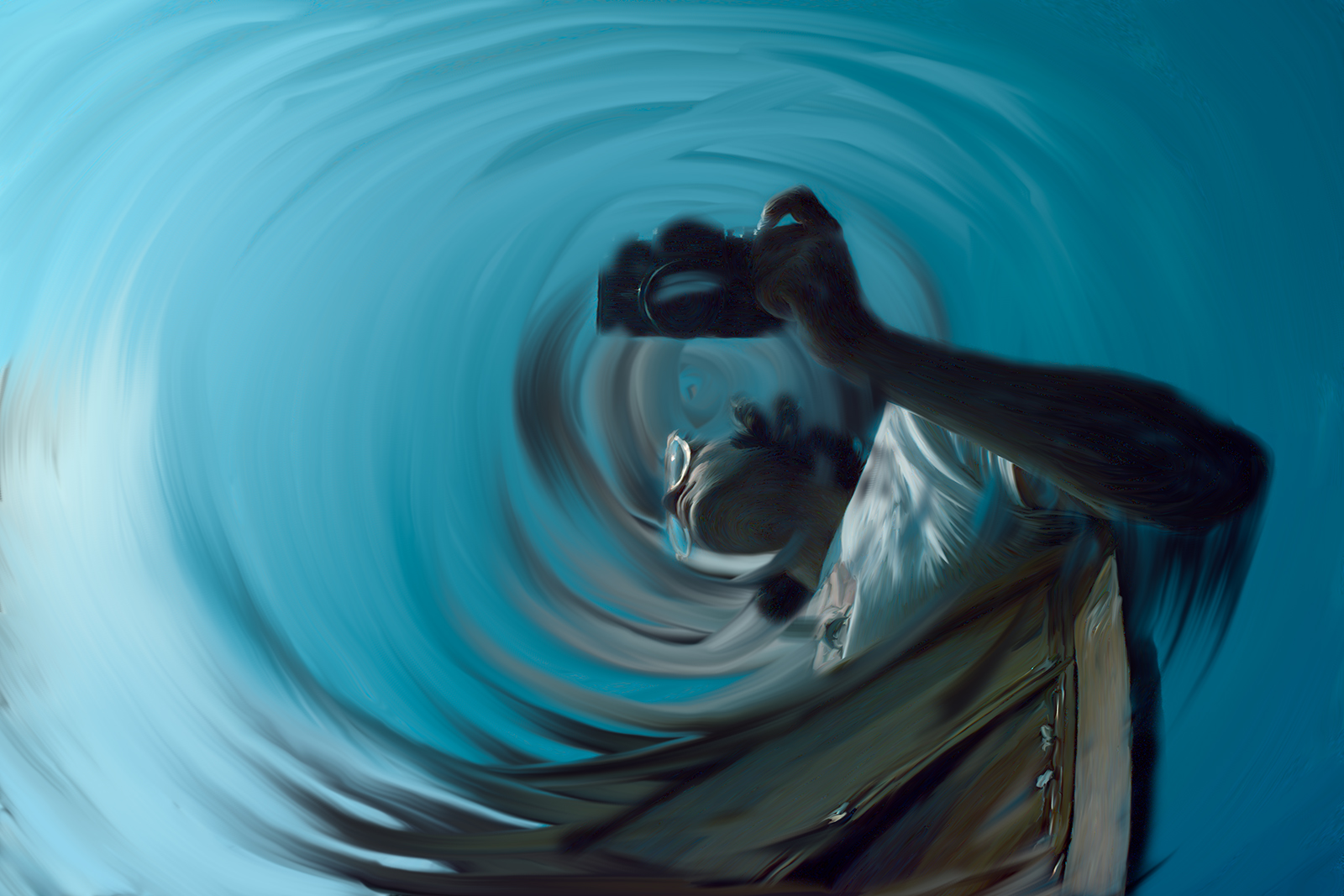
Everything is connected. I see, feel, and photograph the energy connecting everything.
.
Childhood Experience of Art
I was born in a town called Warren, in rural Arkansas, and lived there from 1957–1961. Our family farm was a wonderland for a 4-year-old: horses, beloved dog, ponds, forest, fields, an old barn, a pecan tree. The creative mind plays with the things it loves, wrote Carl Jung.
I found this environment a magical playground for exploring the mysteries of the natural world. In about 1960, my father, David M. Fisher, Jr., took the Kodachrome portrait of me at right.
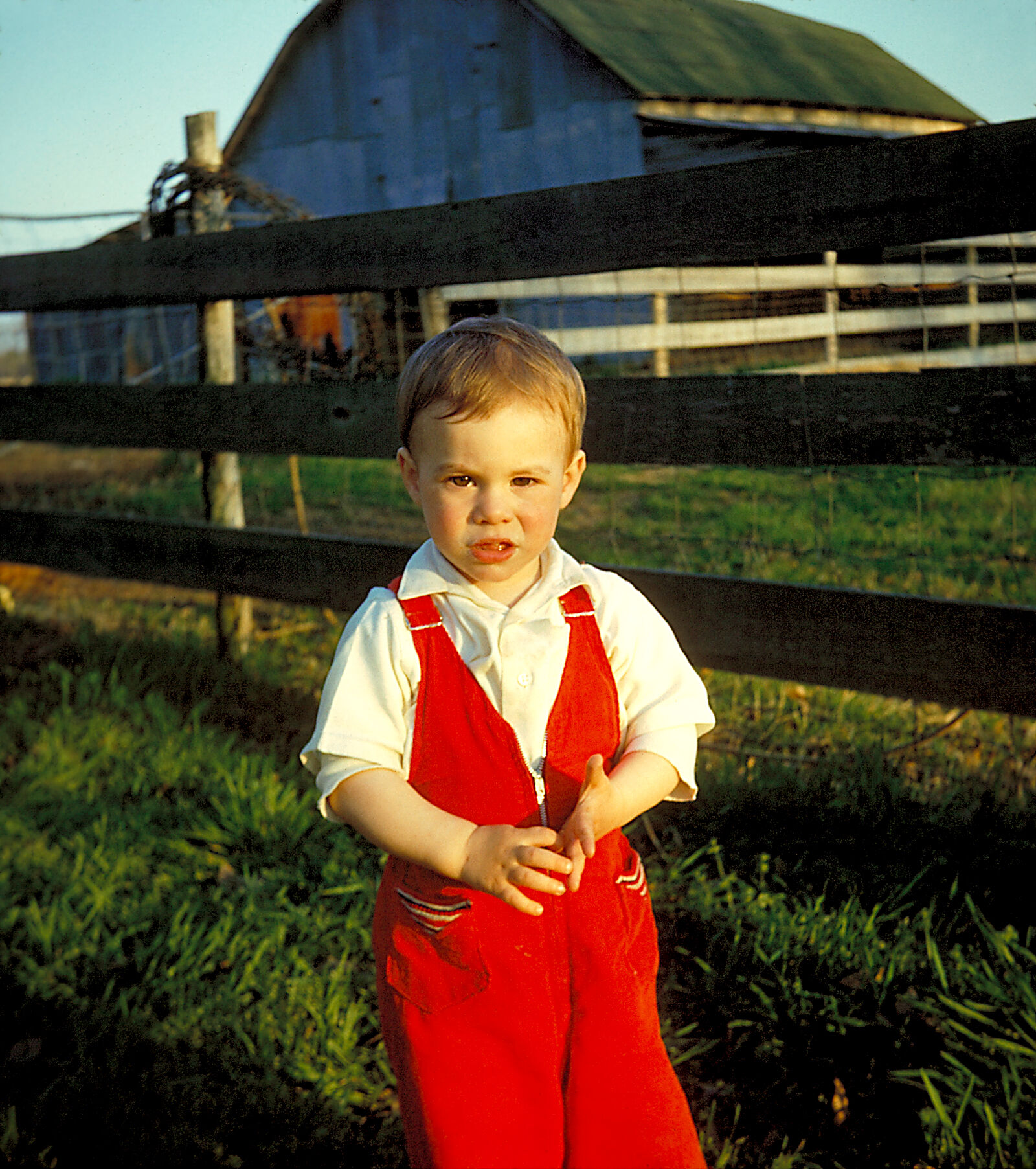
Peter, Arkansas, 1960
Family Encouragement
My parents encouraged my love of art. In the early 1960s, they bought a multi-media product that explored the history of art through images in books, and on slides, accompanied by narration on LP records. The combination of brilliant commentary alongside images of the visual treasures of mankind transformed my understanding and appreciation of great art. Hokusai’s The Great Wave off Kanagawa, 1831, is one of the masterpieces that stands out to me from that experience.
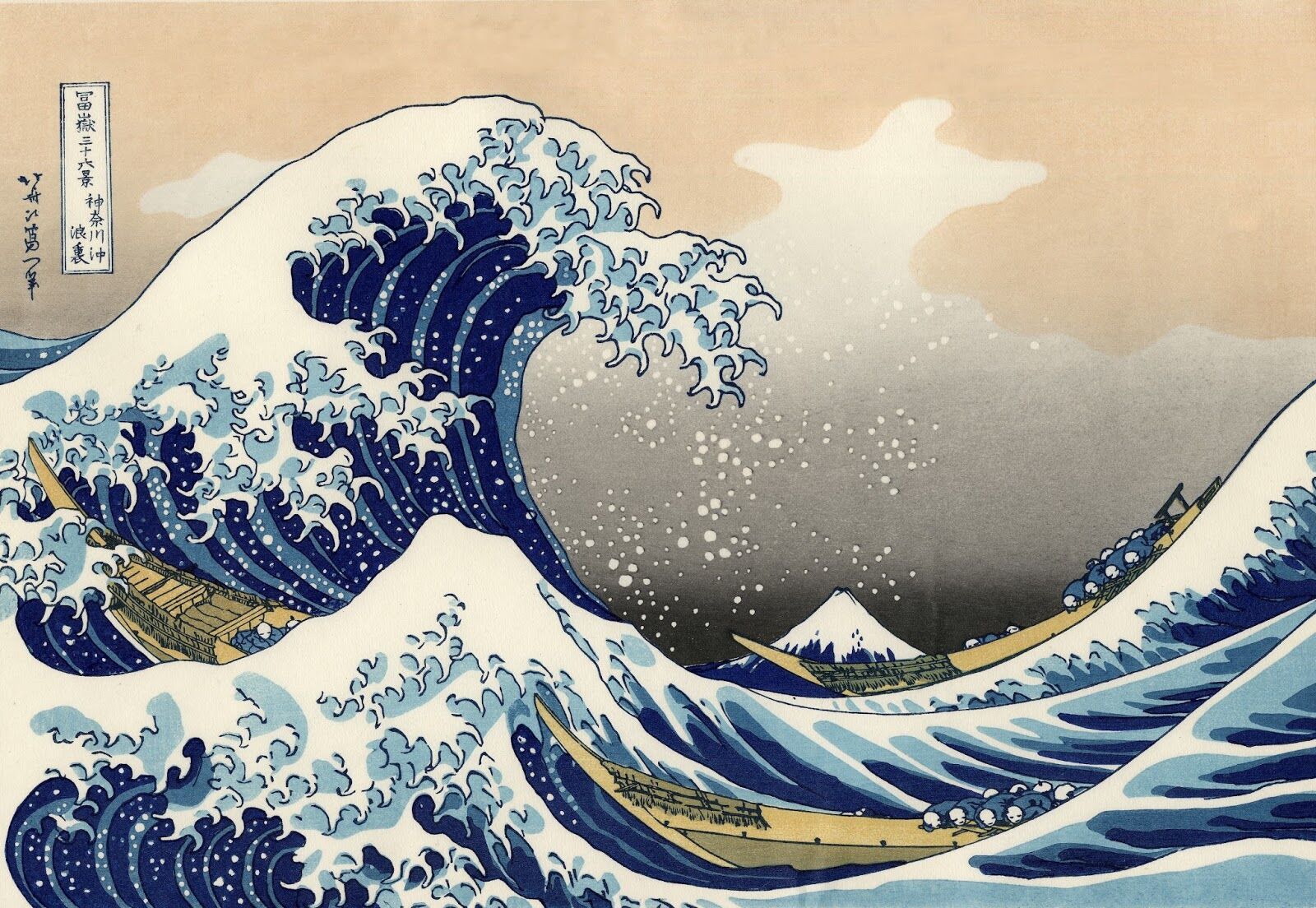
The Great Wave off Kanagawa, Katsushika Hokusai, 1831
.
Resonating with Artwork
When I view certain works of art, or hear a favorite song, or perhaps read some truth, or witness an act of kindness or courage, I feel a powerful and immediate response. During these epiphanies, I feel scintillating joy and awe fill my heart and spirit with love. These inner sensations are accompanied by a distinct pattern of vibrations that resonates up and down my body.
Contemplating Paul Caponigro’s 1964 cosmic rendering of an apple leaves me spellbound.
Are we looking at an apple or at a glimpse of the universe? I view the ambiguity of scale and subject as an artistic triumph, a truly memorable work of art.
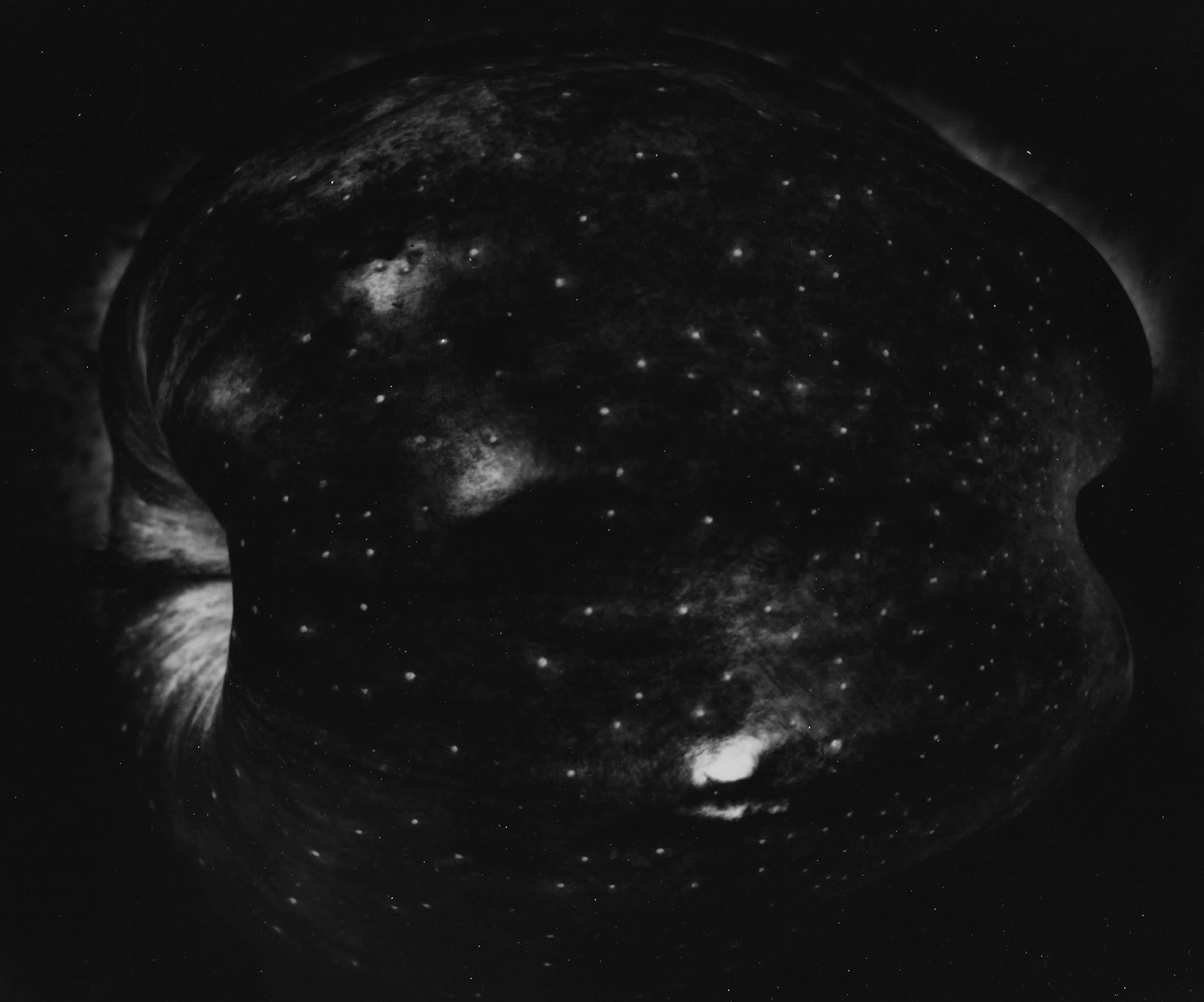
Apple, Paul Caponigro, 1964
Pepper #30, 1930, the iconic photo by Edward Weston, is an exemplar of a living form immortalized through artistic genius. His masterly interpretation of those organic shapes fills one with admiration for nature’s ability to create sensuous curves.
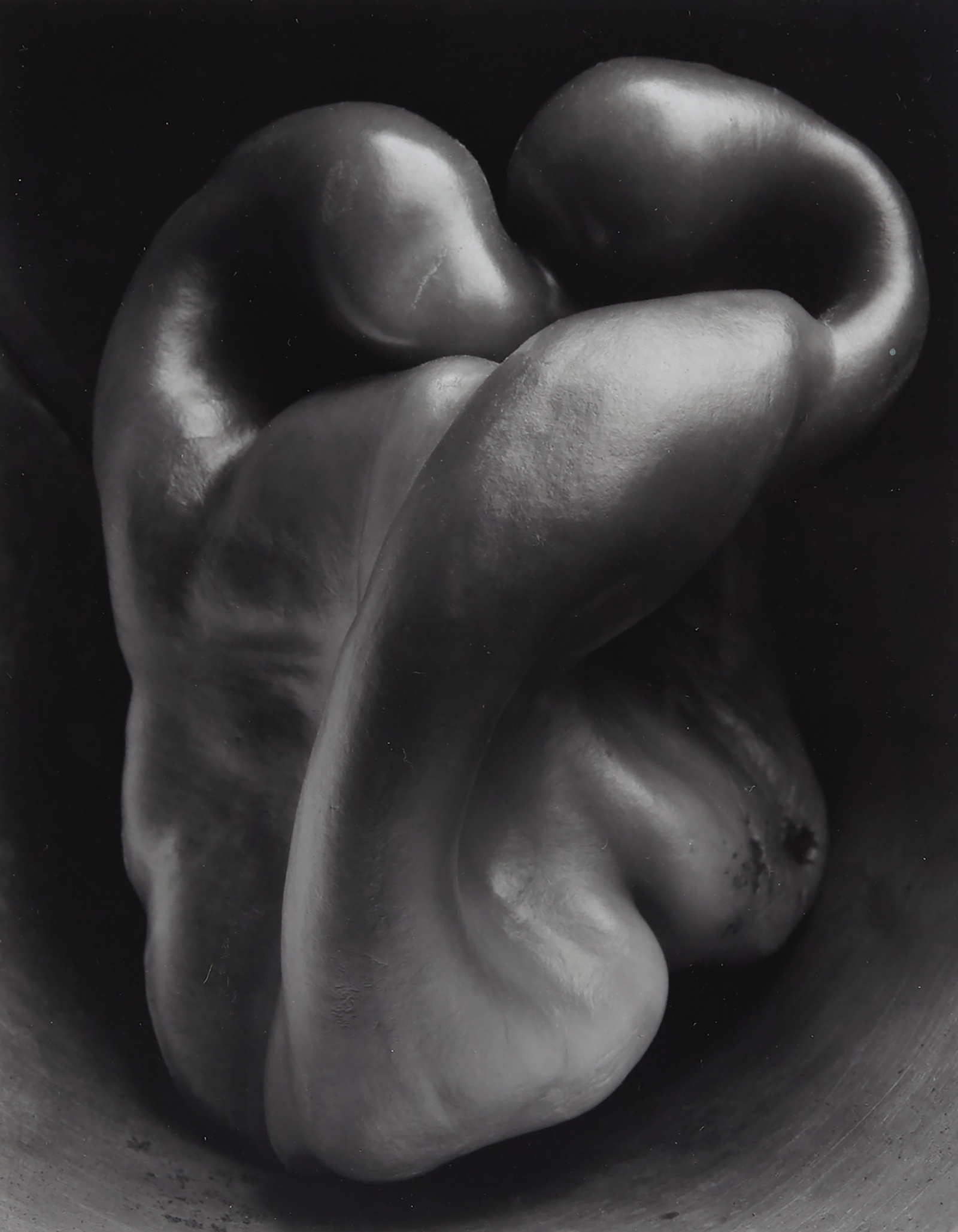
Pepper #30, Edward Weston, 1930
.
Immersed in and Baffled by Art
As I was growing up in the 1960s and 1970s, my folks would take us to museums whenever we travelled. After visiting a Picasso exhibit in Toronto, as a first grader, I was apparently so confounded by his abstract style that I hugged a (realistic) statue of a child on our way out the door! It took me a while to comprehend how Picasso absorbed African and other influences and combined them into a new way of perceiving and rendering the world.
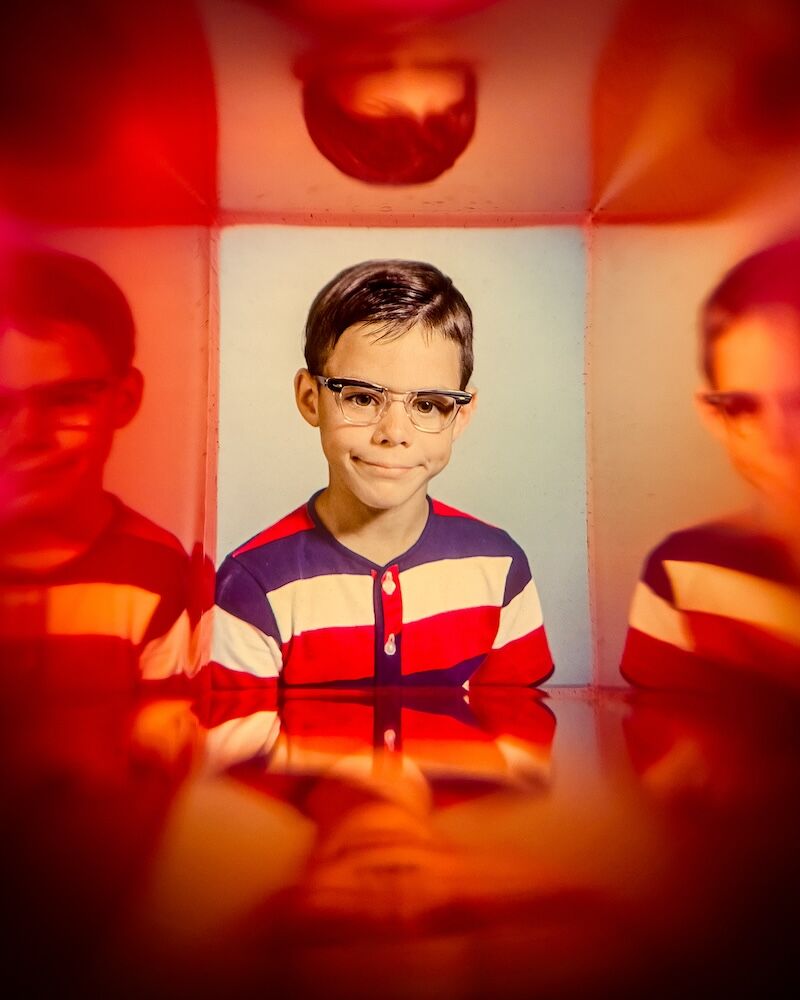
Peter, age 7, 1964
.
An Epic Revelation
In 1969, at age 12, I experienced an epic revelation regarding the power of great art as I stood in front of Rembrandt’s Night Watch, 1642. The enormous impact of the painting, a 12-x-14-foot work, and the stunning gravity of the scene, with its deep shadows and golden pools of light illuminating its central figures, held me transfixed. The experience is seared into my memory as a moment of peak wonder.
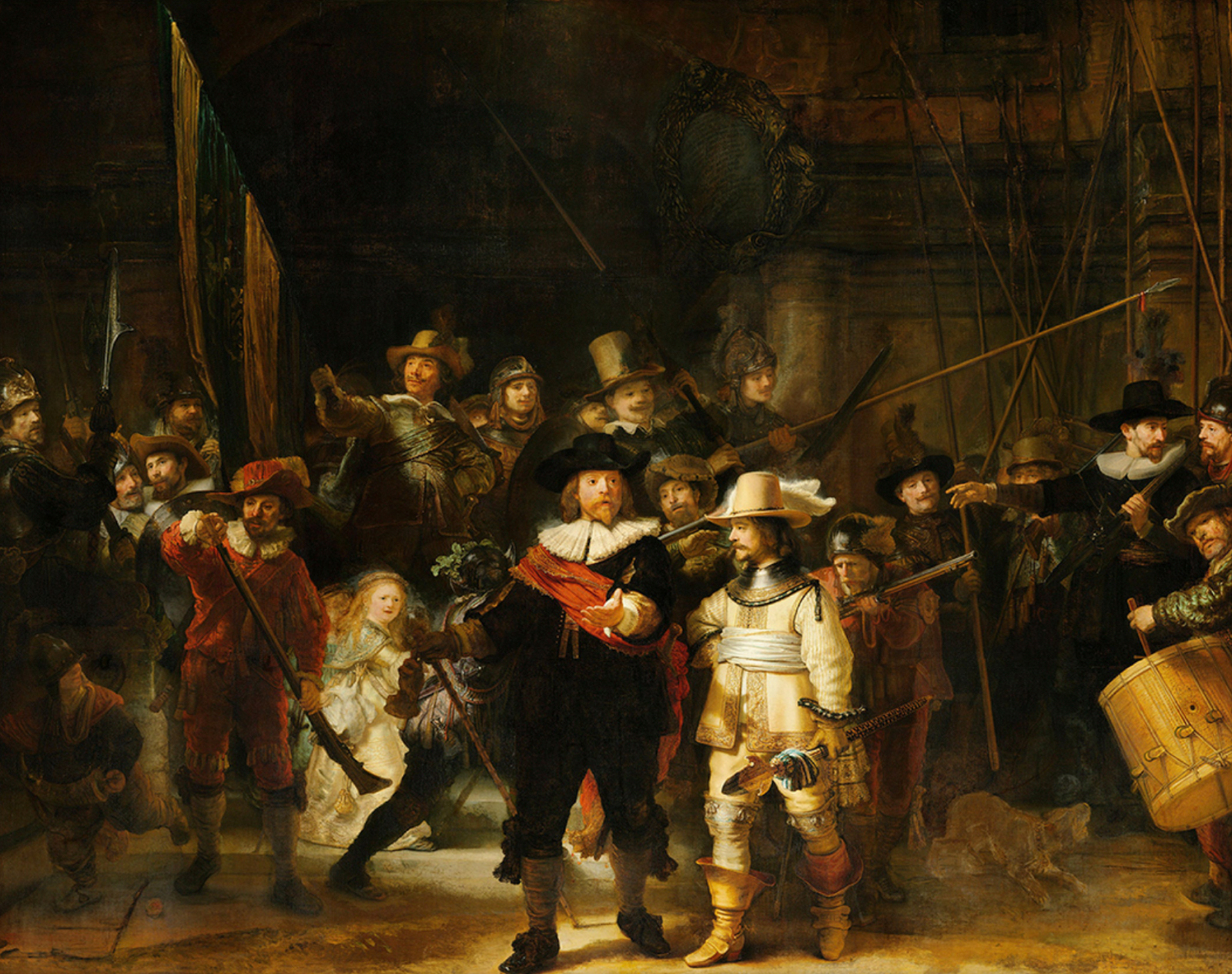
The Night Watch, Rembrandt van Rijn, 1642
In High School, I wrote this about the experience:
The light in this painting seems to be a transitory phenomena caught by the artist. The negative space is occupied with an atmosphere of change, lending weight to the importance of the man in black, giving him the appearance of making an impending decision. Rembrandt is concerned in this artwork with conveying the impression of the pensive calm before a storm; a simmering sense of danger, the battening down of the hatches and furling of the sails.
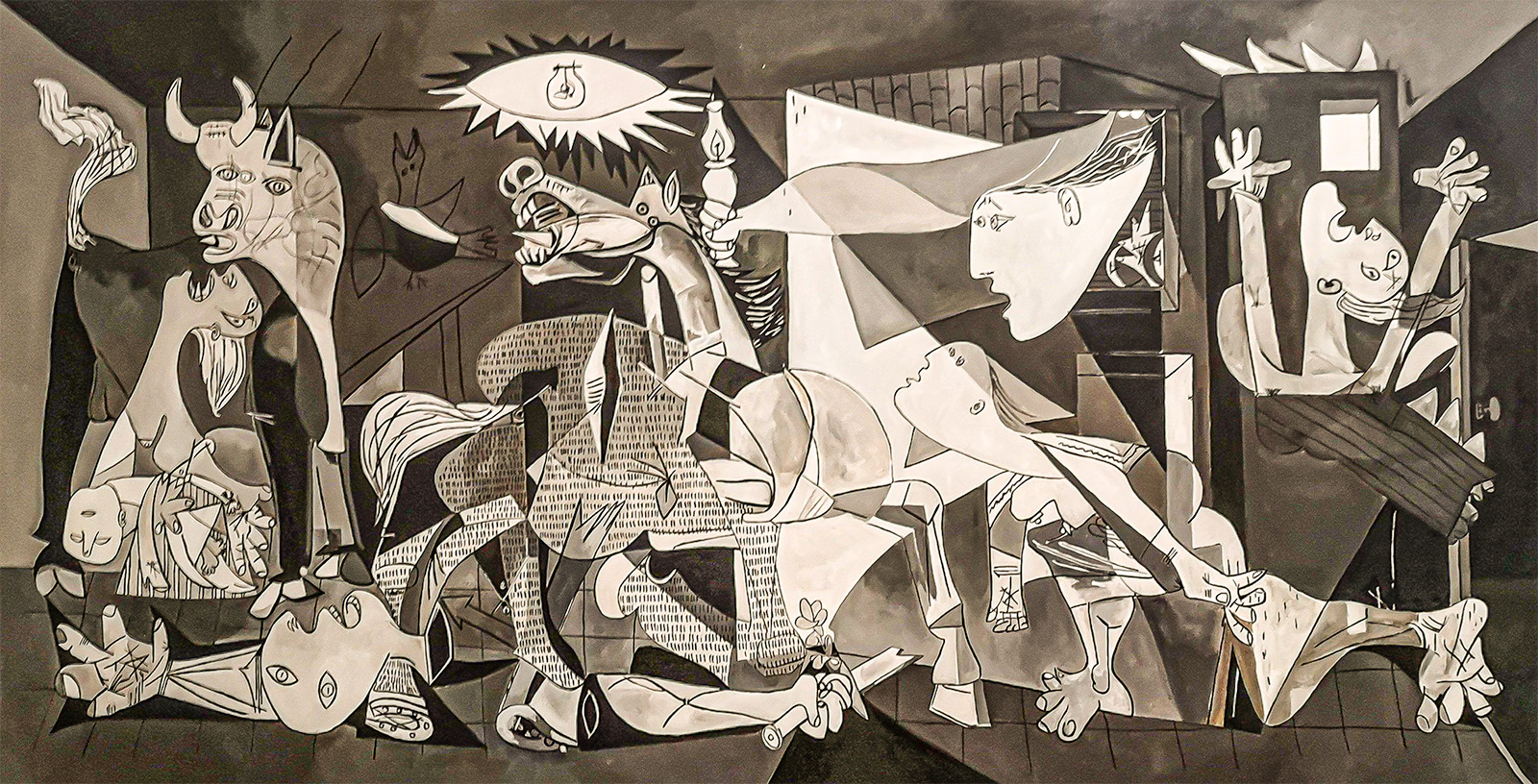
Guernica, Pablo Picasso, 1937
Similarly, seeing Picasso’s monumental Guernica, 1937, in real life, in its previous location in a crowded room at the MOMA in New York City, before it was sent back to Spain, and feeling the sense of horror it portrays, sent chills up and down my spine. The experience still feels vivid to this day. How is it that a work of art can have such a massive effect, transporting the rapt observer into an experience of transcendence?
.
A Classical Education in Black-and-White, Film-based Photography
I attended Charles Wright Academy, a small, liberal, private school south of Tacoma, from 1968 until I graduated in 1975. Arthur Bacon, a history teacher there, taught photography classes. He had a high degree of artistic skill in black-and-white film photography that was matched by his technical skill in the darkroom. Arthur had been an assistant at Ansel Adams’ workshops.
Starting in 1973, I immersed myself in the challenge of mastering Adams’ Zone System. This flexible approach to the technical aspect of photography provides artists with tools to creatively transform a negative into a final print in a way that manifests their original vision.
The first step is to visualize the final print in one’s mind. The next step is choosing the appropriate camera, lens, and type of film. This is followed by choosing camera settings for shutter and aperture to record as much tonal range as possible.
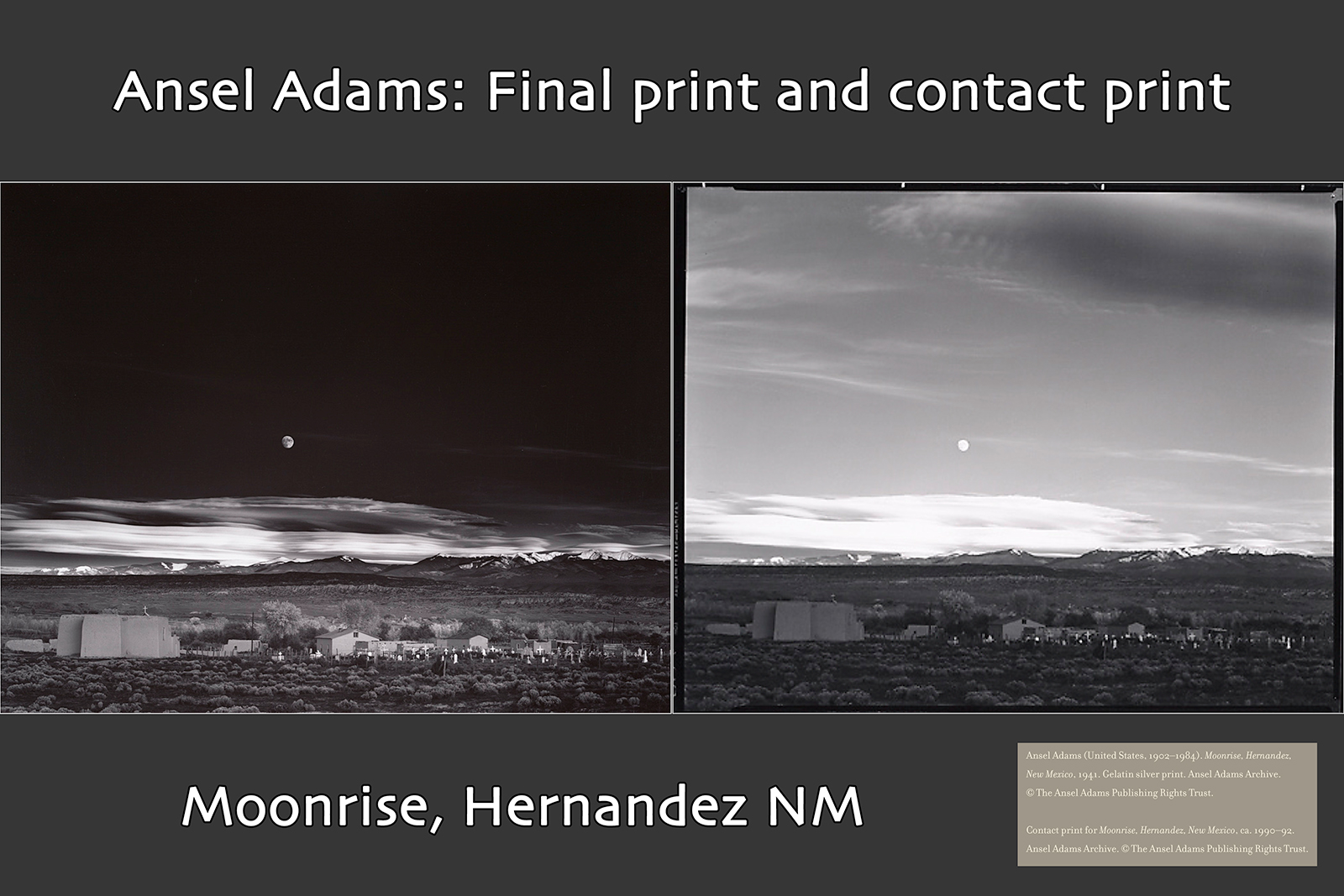
On left: Moonrise, Hernandez, New Mexico, Ansel Adams, 1941
On the left we see Adams’ piece, Moonrise, Hernandez, New Mexico, 1941. His imaginative interpretation of the scene, and his dramatic approach to the lighting of this famous print, can be discerned by looking at the original negative on the right.
The original tonal values captured in the negative were selected intentionally to yield a “flat” negative, i.e., one with a full range of grays, visible shadows, and highlighted areas. Adams knew that contrast could be built up in the print only if all the details existed in the negative. And build contrast he did!
In the Zone System process, development of the film, and variables in printing, are considered in advance of the exposure being made. Adams trained as a classical pianist and taught that photographers express their art through the creativity and expertise with which they craft both the negative and print. His analogy was, Film is the score and the print is the performance.
In 1975, my high school graduation present was to attend Ansel Adams’ workshop in Yosemite. It was a once-in-a-lifetime thrill to meet top photographers and art teachers.
.
First Juried Exhibition: Photography 75
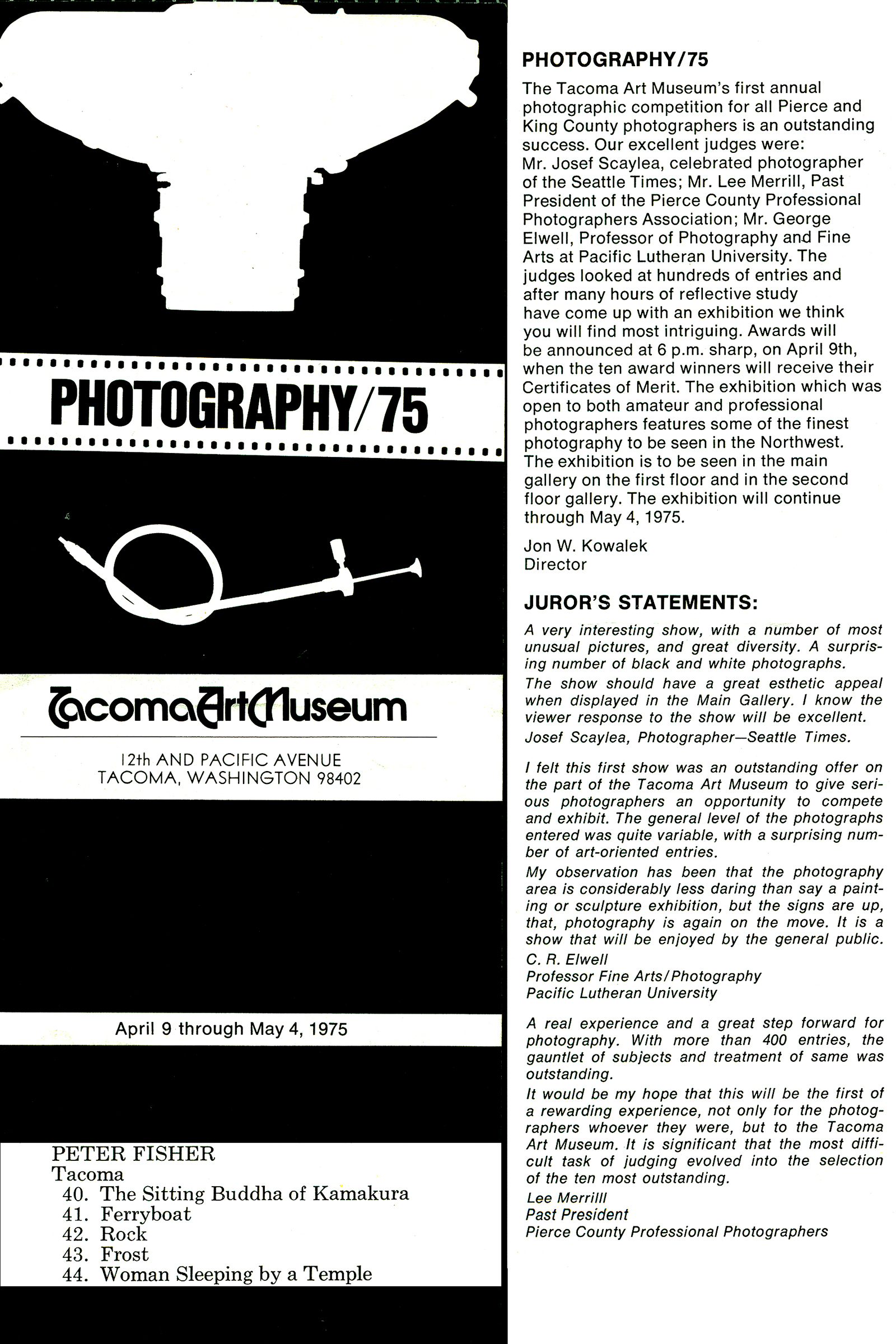
In 1975, at the age of 18, I was excited to have five entries accepted into a juried show at the Tacoma Art Museum. One of the pieces, from 1974, titled Buddha and Child, Kamakura Japan, is one of the earliest of my artworks that I still show and sell. Certain iconic images stand the test of time!
.
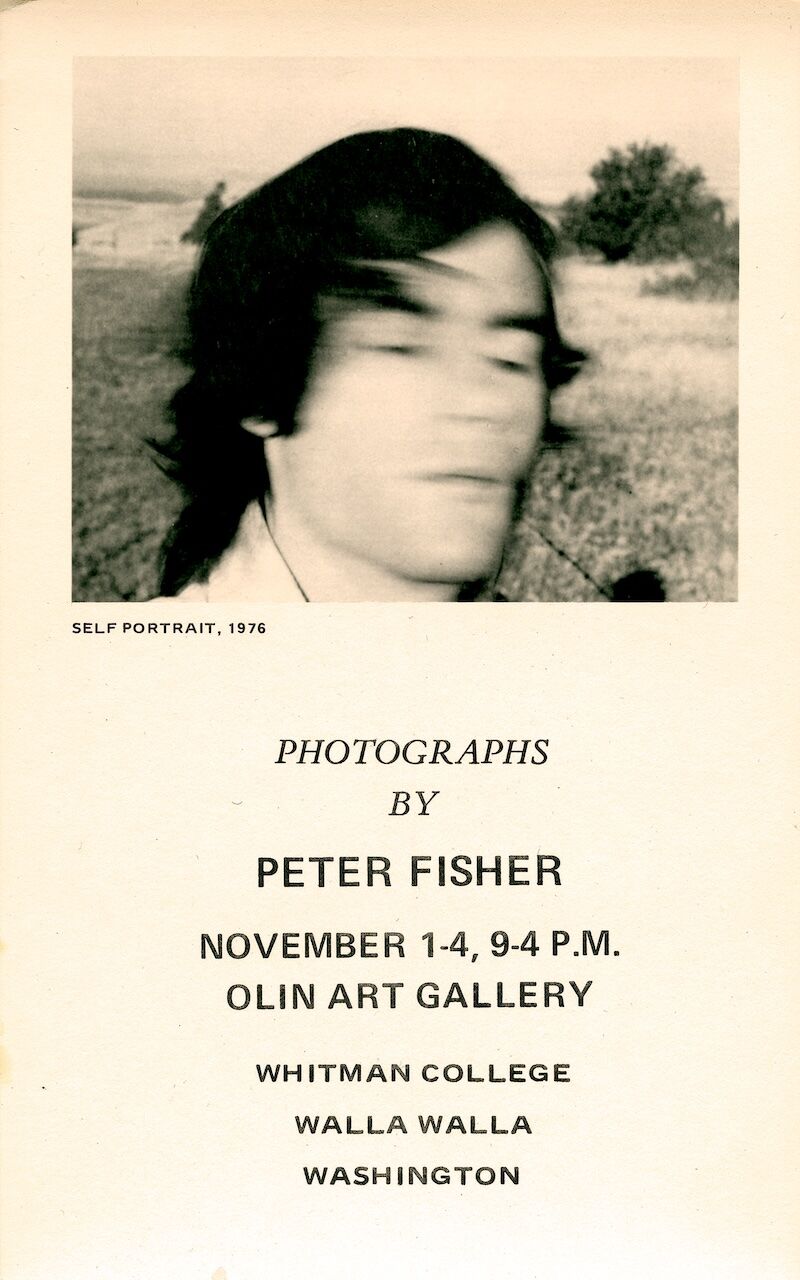
First Solo Exhibition: Olin Art Gallery, 1976
I sold 41 prints—$10 each, or 3 for $25!
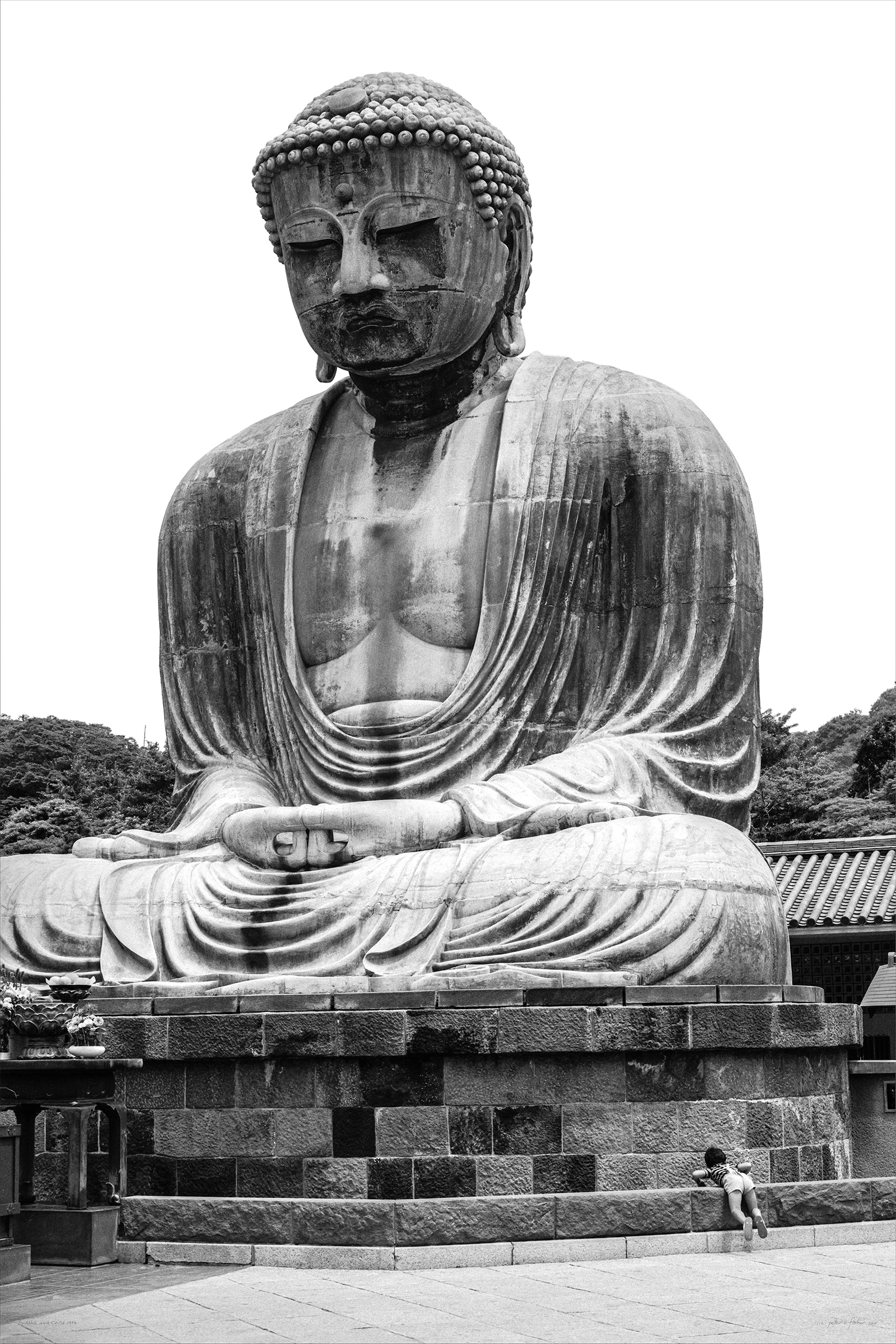
Buddha and Child, Kamakura Japan, Peter Fisher, 1974
.
Hallingdal Folkehøgskule, Gol, Norway 1977–1978
More Information: hallingdalfhs.no
I am half Norwegian and in 1977 I fulfilled a vow I made during a childhood visit to Norway in 1969 to return while my elderly cousins were still living on our family’s ancestral farms of Brudestuen, Vangen, and Fjellstad in the Lesja Valley.
While there, I attended a rural residential institution known as a folk high school. Imagine a school with no homework or tests, but where one must sing in the choir, folk dance, and work in the kitchen when not outdoors skiing or hiking.
This memorable year abroad expanded my world view. The Norwegian cultural tradition of friluftsliv (literally fresh air life, i.e., an outdoorsy lifestyle) and the shared use of, and respect for, uncultivated land, partly inspired my decision to help create the San Juan County Conservation Land Bank. I value free access to land conserved for public enjoyment and the protection of our natural resources.
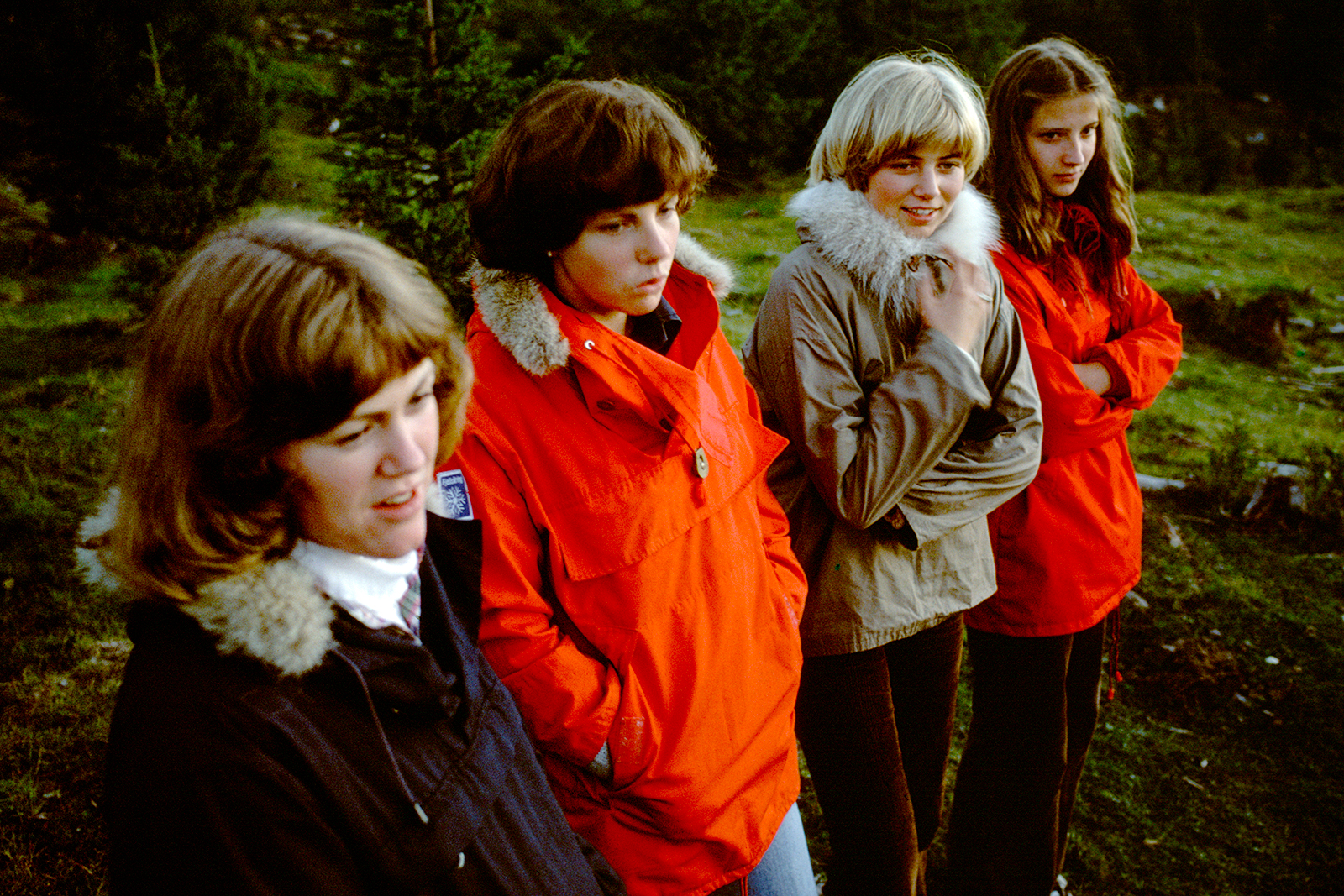
Elin, Vivi, Hilde & Ingeranna, Gol, Norway, 1977
Imagine fishing, hiking, and picking berries, high in the mountains of Norway…
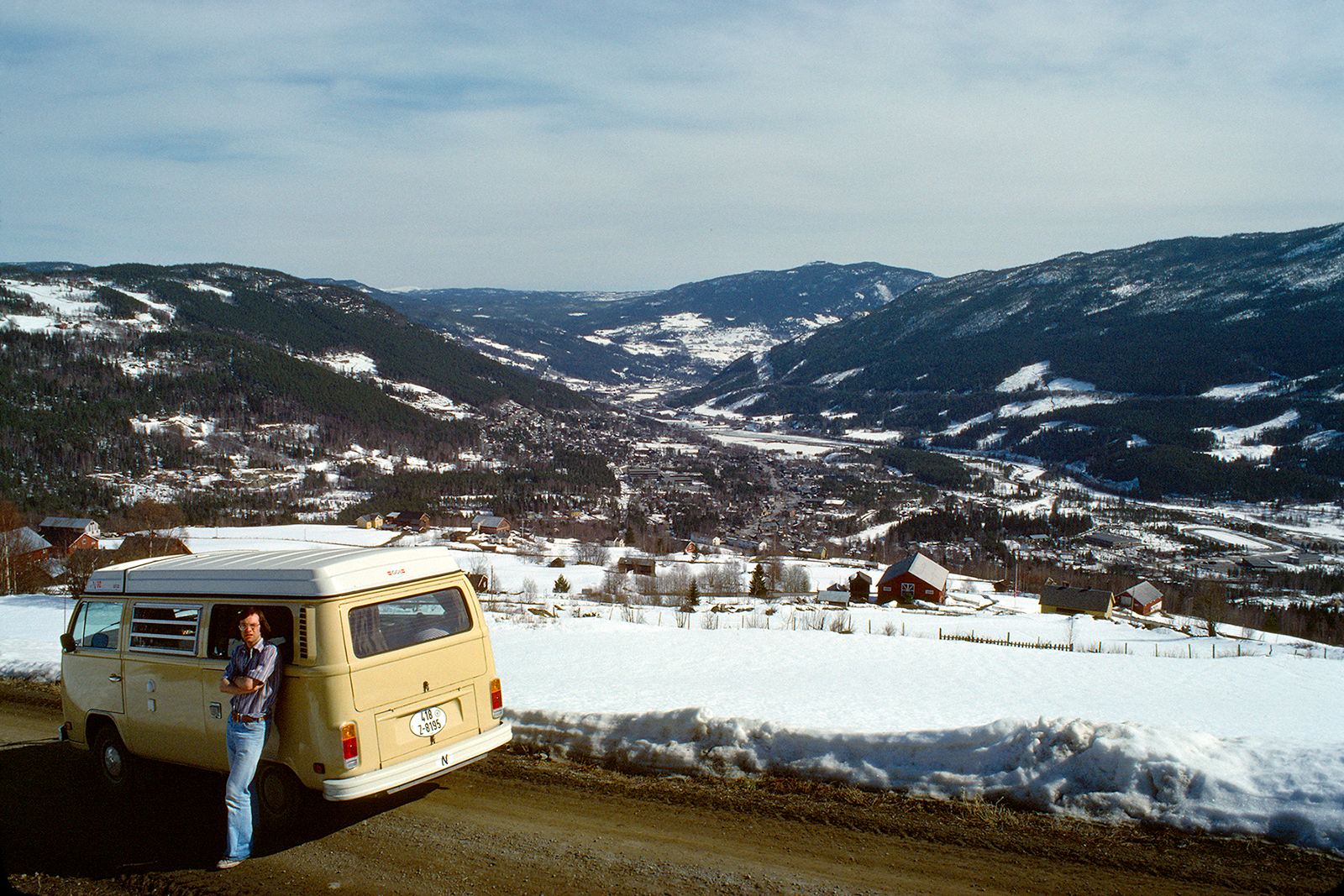
Peter Fisher, Gol, Norway, 1978
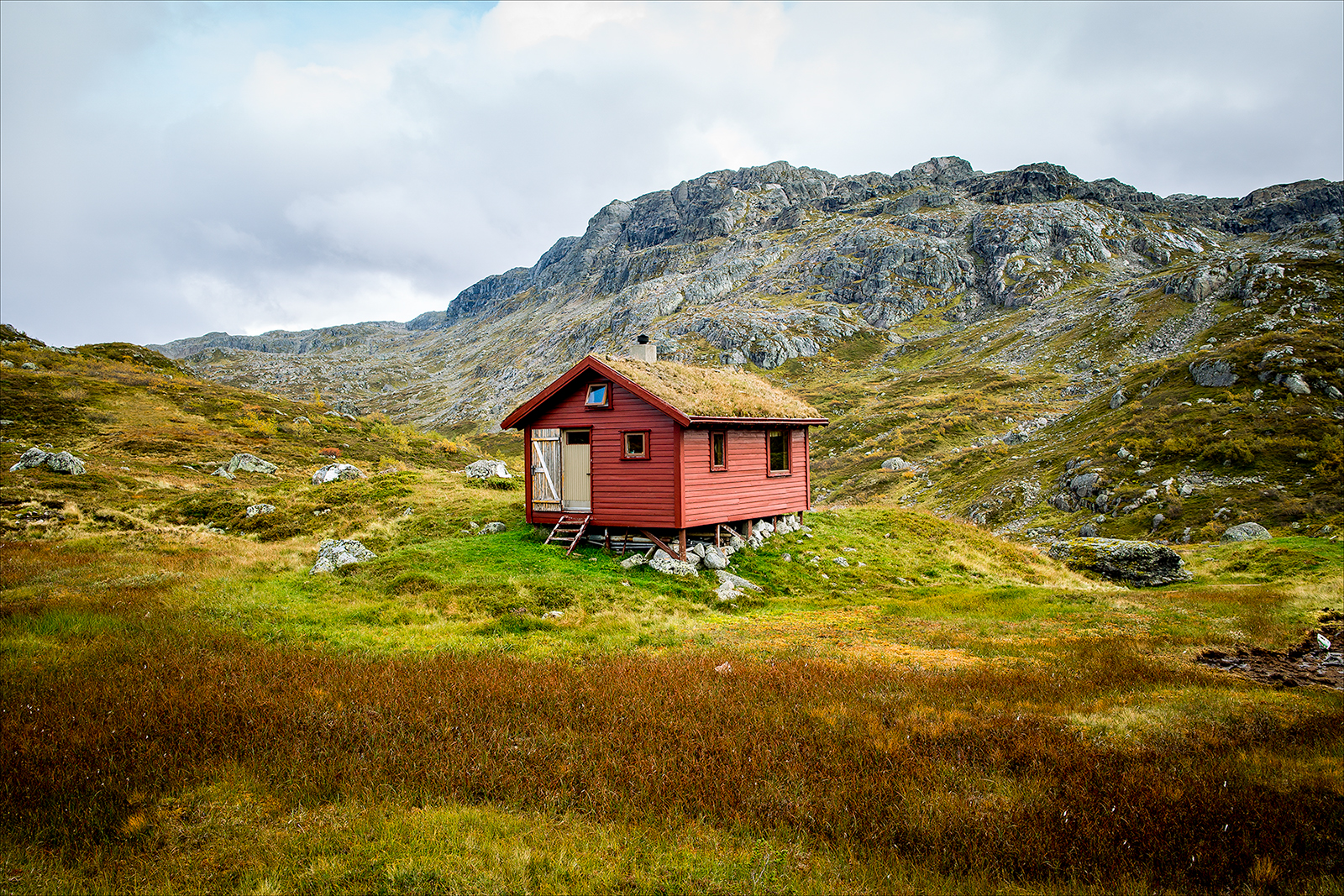
My friend Eirik Bråtveit’s Red Cabin, Norway, 2013
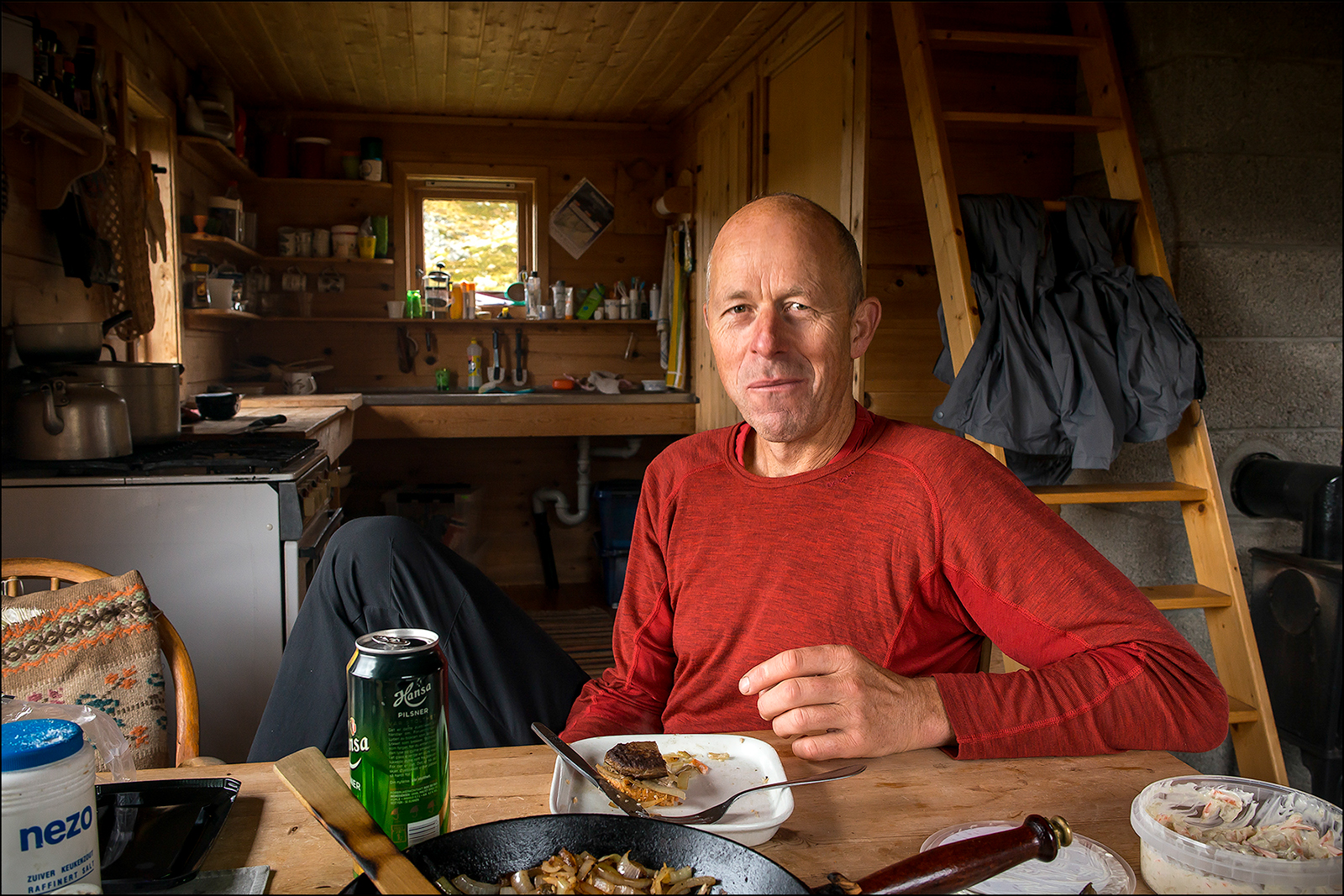
Lunch with Eirik: Reindeer Hamburgers, Norway, 2013
.
Working in India with Gopi Krishna: Fall 1980–Spring 1981
Impressed by Gopi Krishna’s books, and feeling both skeptical and curious about his descriptions of the Kundalini awakening process, I went to India to investigate. Was he a scholar or a charlatan? He was an author, it turned out, not a guru—his best-known book is Living with Kundalini. He hired me to assist in editing his writings, to research the field of mystical literature, and to help with the magazine Kundalini. His writings about mystical experience, and its profound influence on personality, struck me as an honest portrayal and a confirmation of my own encounter with this fascinating phenomena.
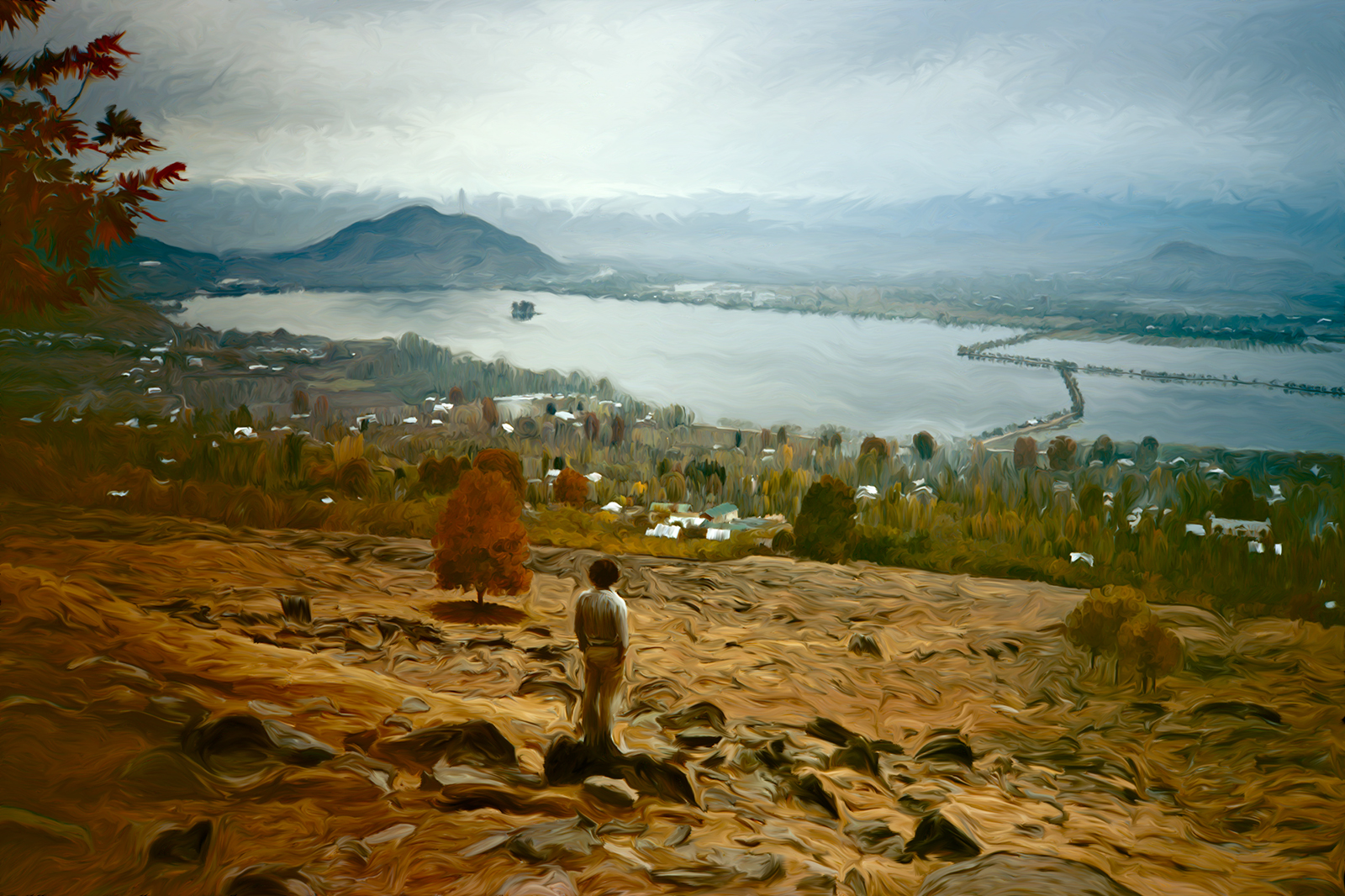
Nishat: View over Srinagar, Kashmir, India, 1980
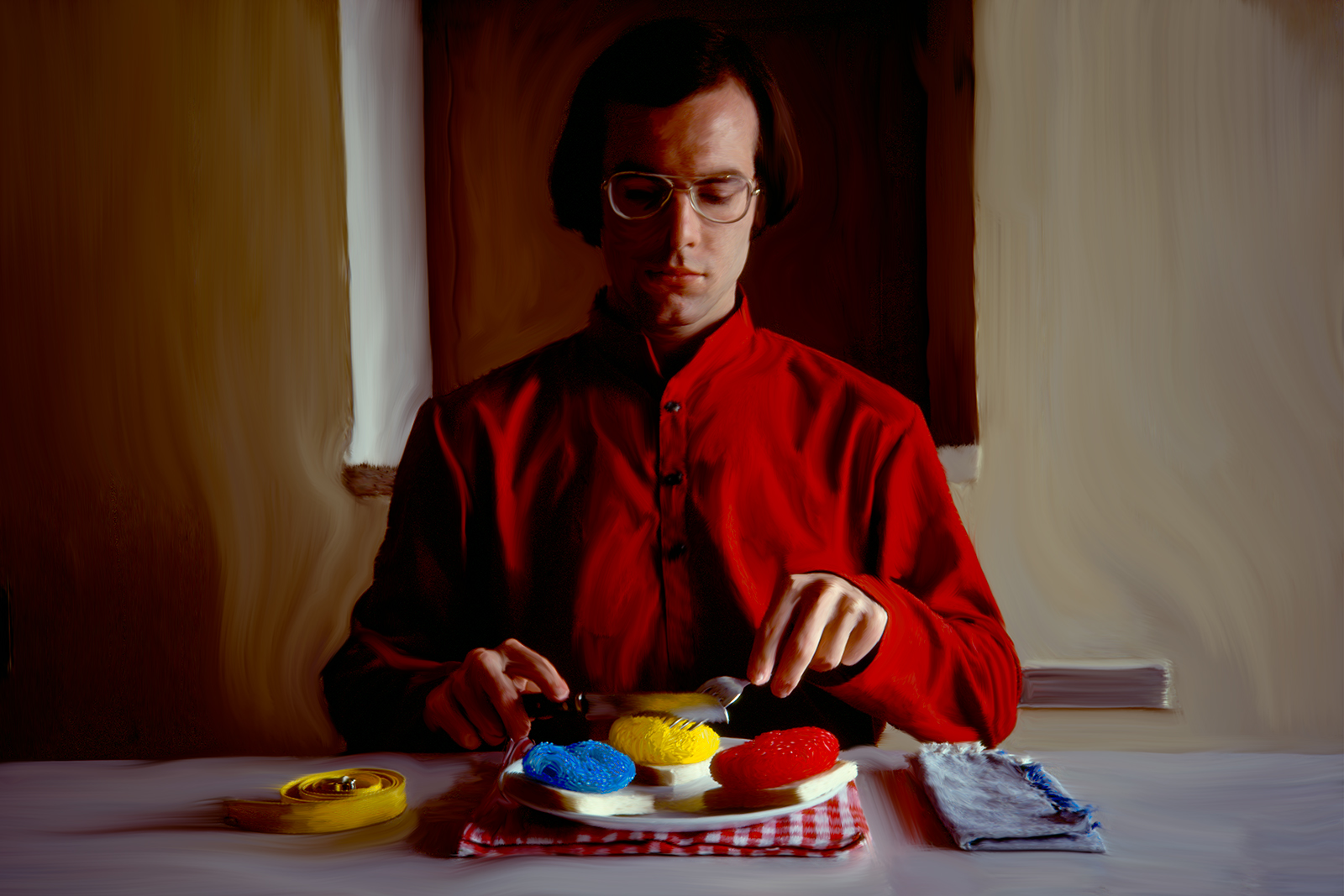
Study of Blue, Yellow and Red: Rajpur, India, 1981
Instead of pursuing money, power, and fame, as the insincere do, Gopi Krishna exemplified the way enlightened souls live day-to-day, in the service of those in their communities who are most in need. This I very much admired.
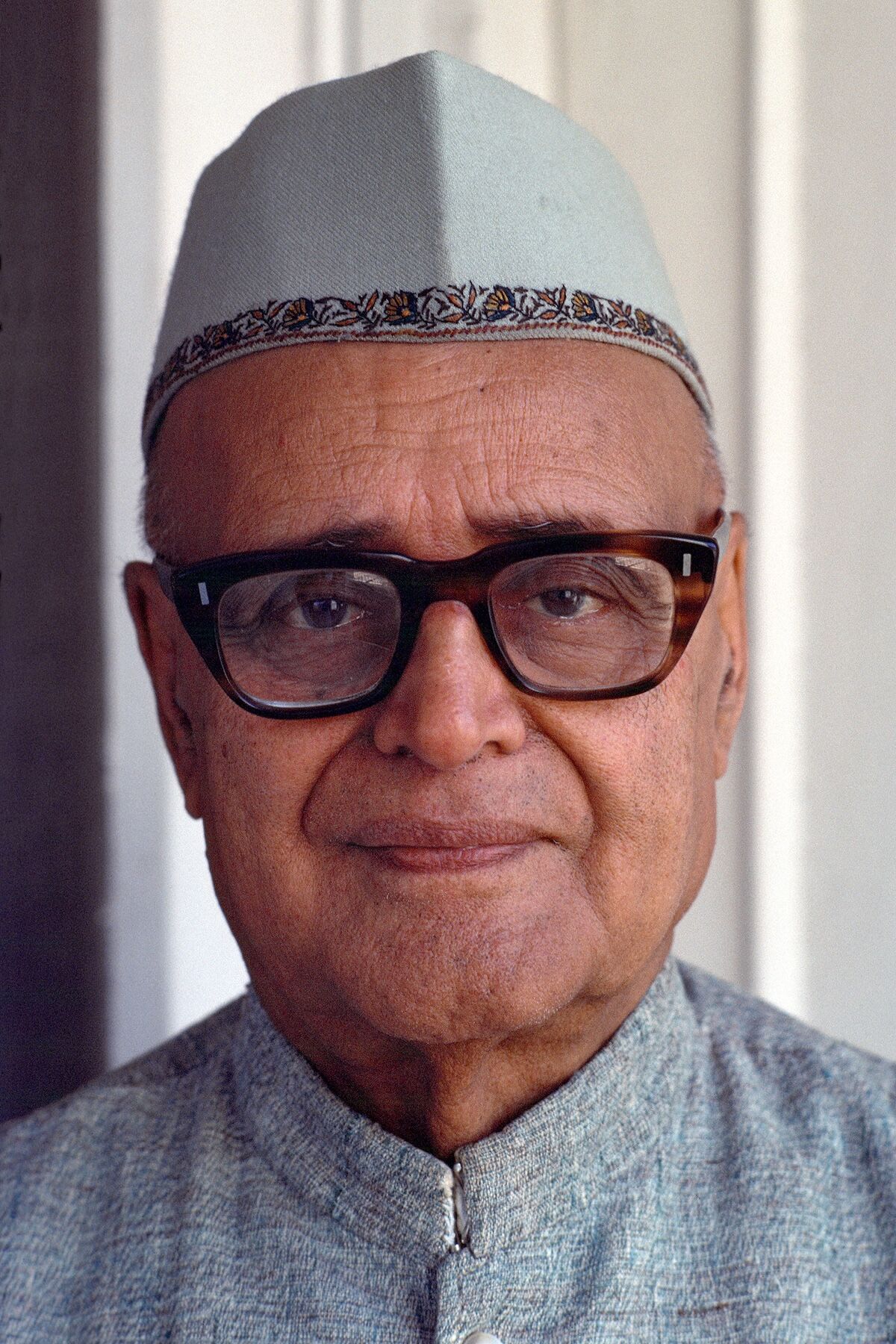
Gopi Krishna, New Delhi, India, 1981
In the 1930s, he began a group that rescued suttee victims (suttee is the gruesome practice of forcing widows to commit suicide by throwing themselves on their deceased-husband’s funeral pyres). They created housing and employment for them despite their social banishment. In that era such activism was unprecedented and brave.
He also backed the elimination of the dowry system, a practice that often proved ruinous to the families of brides. I was profoundly moved to witness, what I perceived to be, his unselfish practice of compassion towards his family, friends, and community.
.
A Call to Action: The Preservation of Madrona Point
In 1984, Madrona Point on Orcas Island, a peninsula that was once a burial site for the Lummi Nation, was slated for development into a residential enclave. After reading the news, I went with my camera to begin documenting this prominent and scenic place, endowed with significant local history and fragile ecology, before its impending demise.
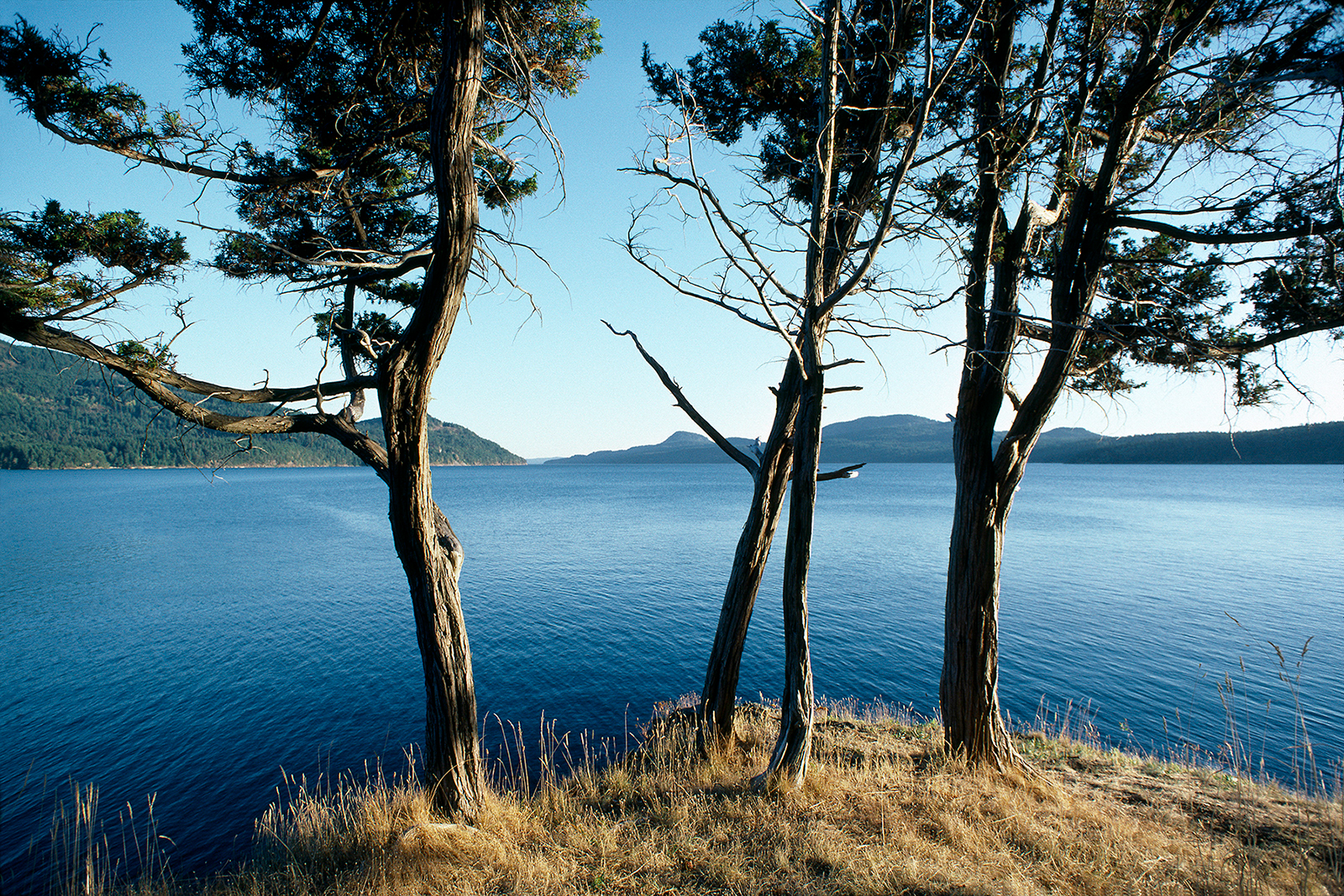
View south, Madrona Point, Orcas Island, 1985
Sometimes I experience a feeling of direct connection to the world by sensing an energy that flows freely between myself and the environment. My heart was wrenched with sadness at the idea of this special place being converted into a dense condo and housing project. At the same time I experienced strong feelings of empathy for this endangered, natural landscape.
With my inner ear, I heard the land speak, If I go, you go; we all go. This sacred site is the Omphalos of Orcas, the geographic and historic heart of the island. The proposed development would harm our essential cultural connections to the past and desecrate the native and white burial grounds stolen from the cemetery association and sold to a private party in 1890 by Reverend Gray and his cohorts.
Orcas Island, without Madrona Point being preserved, will have lost its most valuable spiritual, aesthetic, cultural, and natural feature.
To create awareness and interest among islanders for the effort to buy Madrona Point, we organized an exhibition at Orcas Center in 1986 featuring local artworks. Over 20 artists participated. In the photograph above I am pictured with my handmade book, Madrona Point, 1985. It featured Cibachrome prints, cattail-leaf handmade paper, letterpress-printed calligraphy, and madrona-burl-veneer covers.
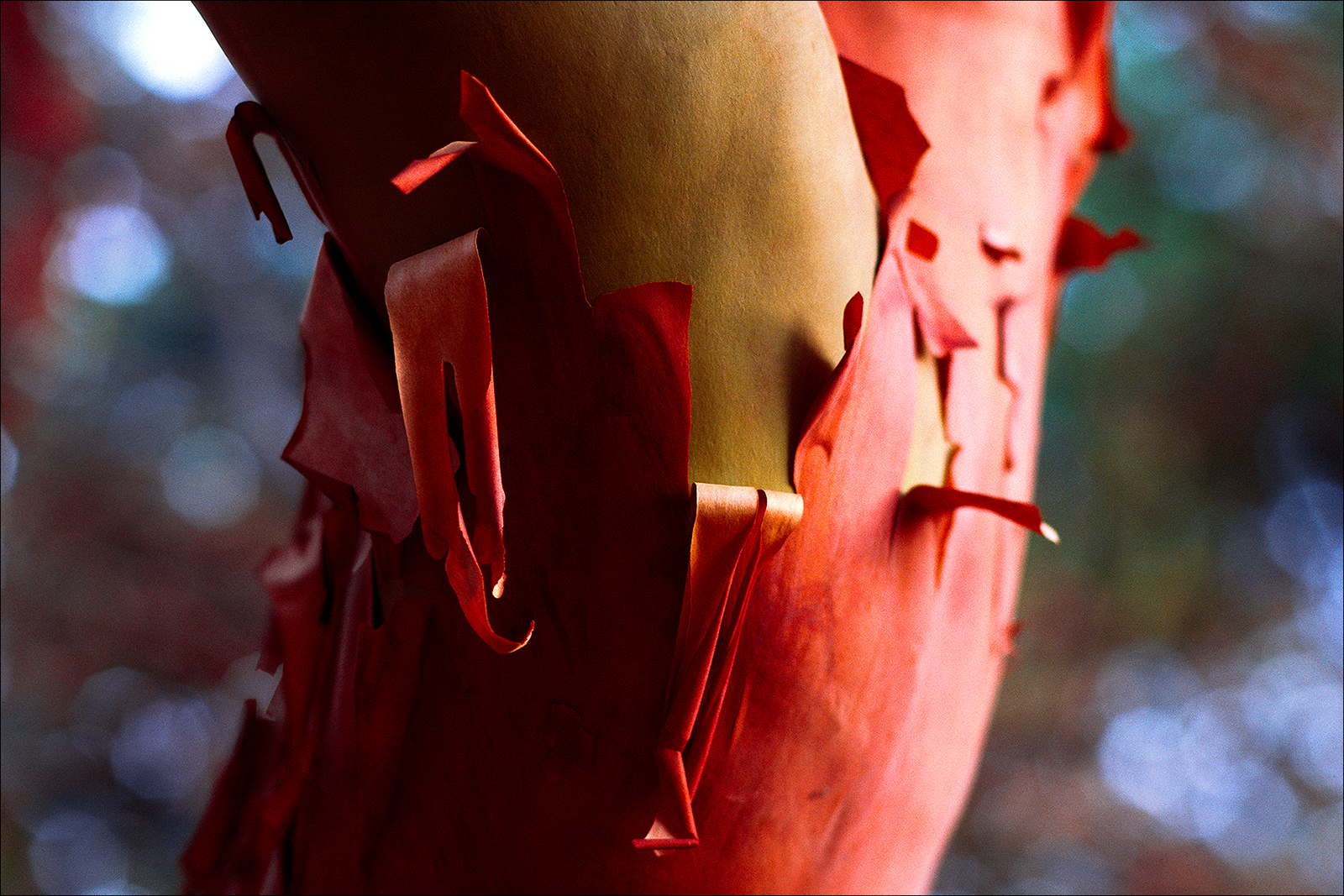
Peeling bark, Madrona Point, Orcas Island, 1985
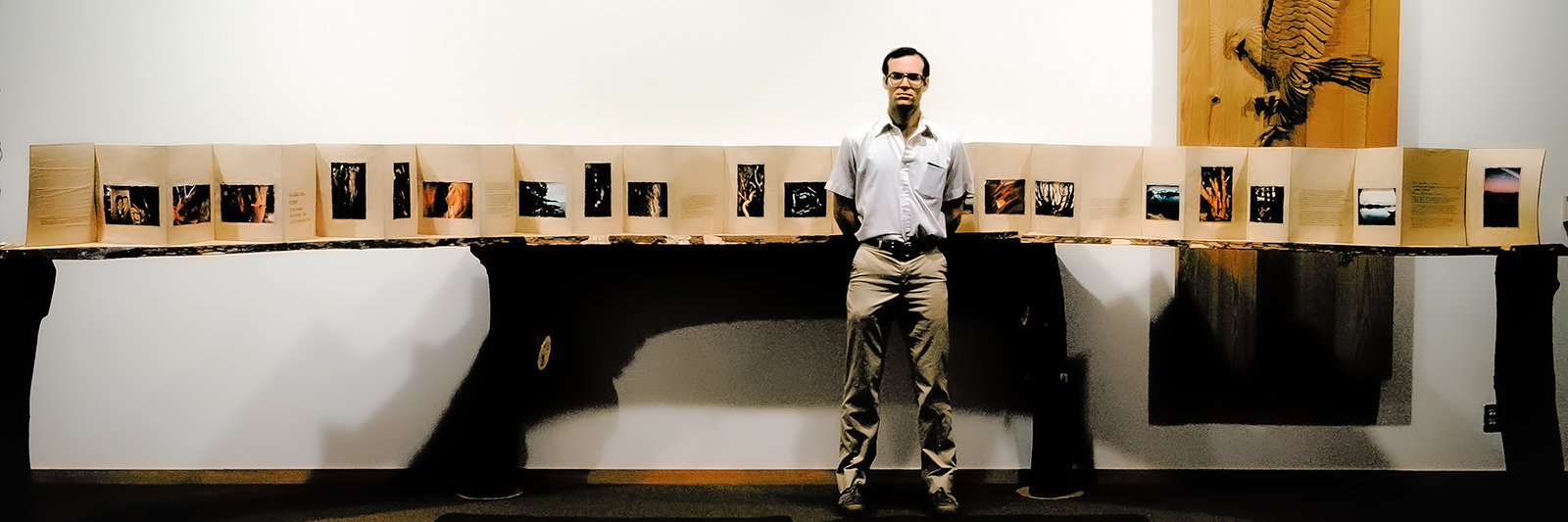
Peter with his book Madrona Point at the Orcas Center, 1986
My artistic goal was to create the visual equivalent of a walk around the Point. A limited edition of seven books and one proof copy were made and sold for $2500 each between 1985 and 1990. Art in the service of spirit!
In 1989, after years of building a region-wide coalition, we negotiated a $2.2 Million appropriation from the U.S. Congress to purchase Madrona Point for preservation. On February 17th, 1990, a historic gathering was held at the Oddfellows Hall on Madrona Point to celebrate the transfer of the deed to the Lummi Nation.
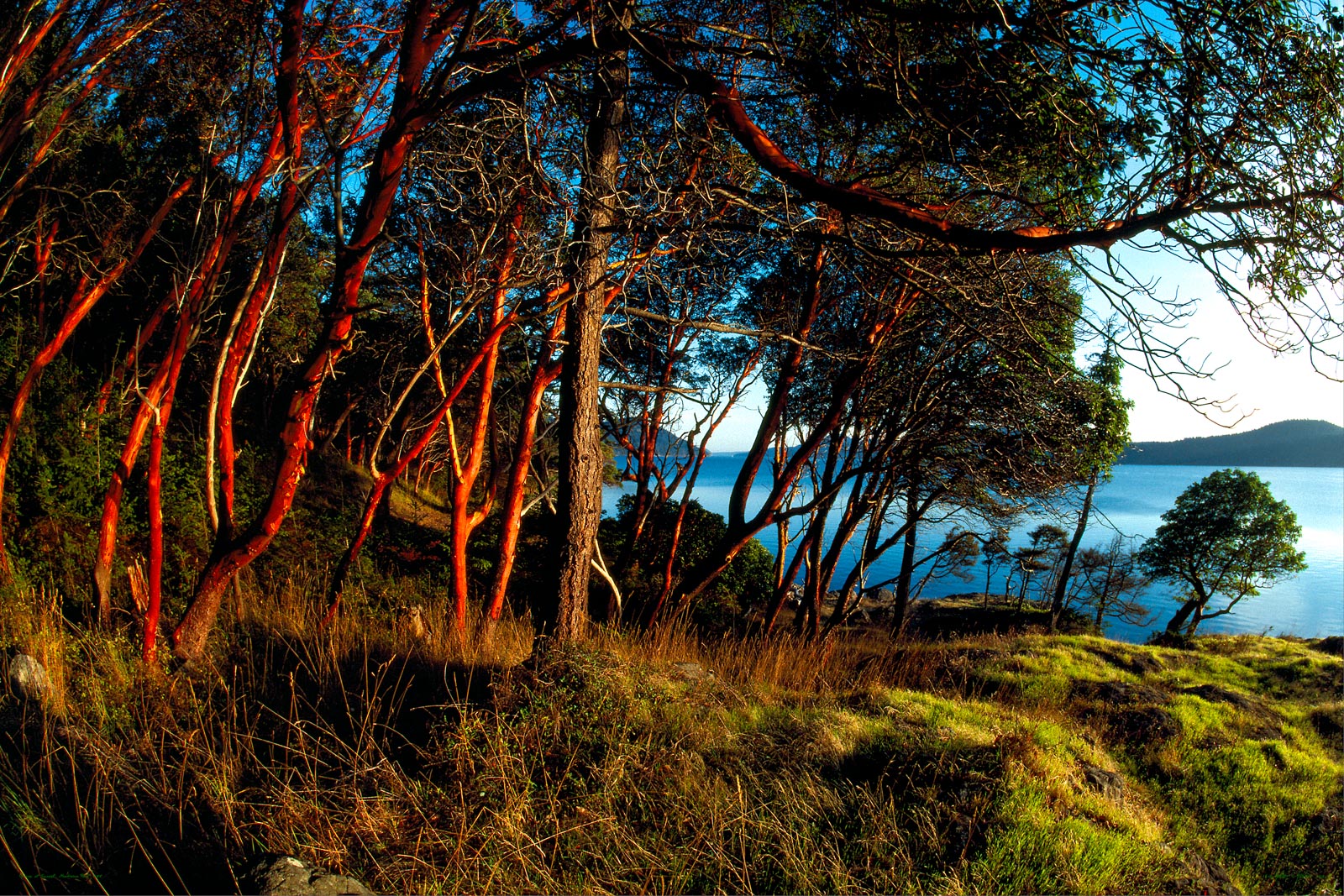
Grove at sunset, Madrona Point, 1988
The experience of combining my artistic vision, interest in building healthy community, and love of nature, to help preserve sacred land was gratifying. What explains why people care so deeply for special places? A lesson I learned is not to underestimate the potential for artistic expression—be it music, theater, painting—to touch people’s hearts and transform community.
.
San Juan County Land Bank Campaign, 1985–1990
More Information: http://sjclandbank.org
While researching potential methods for purchasing Madrona Point from the developers, I noticed an article reprinted from the 3/27/1985 Wall Street Journal in our local Journal of the San Juans. It described an unusually effective planning process used to create a dedicated local funding source for open space preservation on Nantucket Island, Massachusetts. A lightbulb lit up in my imagination.
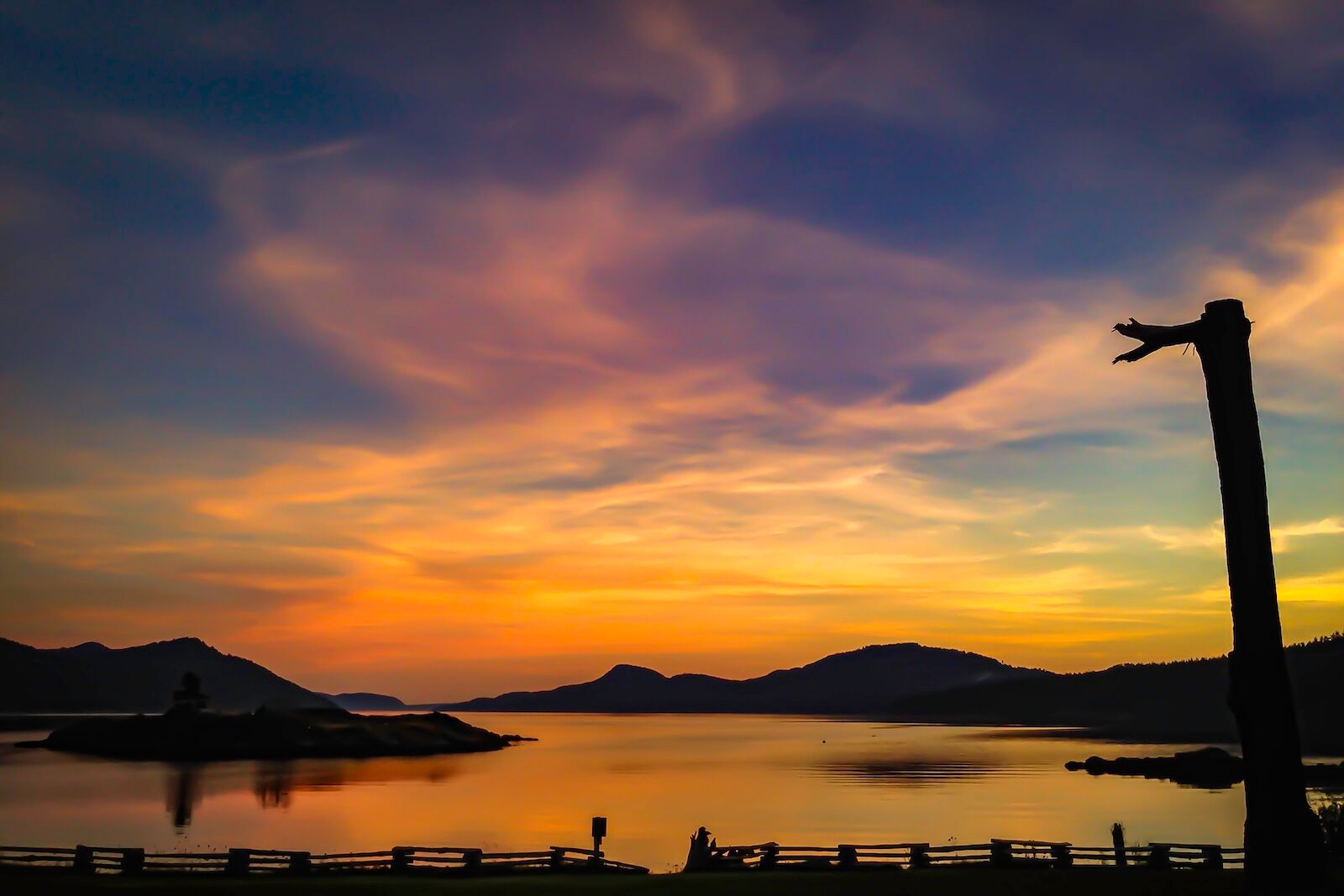
Waterfront Park, Eastsound, Orcas Island, 2024
The article quoted Nantucket planning director, Willian Klein, Consensus is too mild a word to describe 447 people reaching agreement with only one dissent. ‘Miracle’ might be better. Intrigued, on July 18th, 1986, I visited Nantucket, an island about the same size as Orcas or San Juan. After disembarking from the ferry, I gave Mr. Klein a call and requested an interview. I asked him how he had managed to forge such broad support for the Land Bank idea. He said his dilemma was how to get all locals to see future problems, without relying on the no-growth tendencies of certain groups.
Good artists borrow—great artists steal. Picasso’s famous remark served as my guide when I returned to Orcas and tried to replicate Nantucket’s successful strategy. As president of the non-profit organization Friends of the San Juans, I helped conduct a three-year education and outreach campaign focusing on our island’s beloved landscapes as a way to gain support for this proposed conservation program.
Instead of simply presenting the Land Bank concept as an excise tax, which of course it is, I used slide shows to present it as an investment in what we all most love—the beautiful landscapes of these islands. Nantucket islanders proposed that, The problem (disappearing access to open space) funds the solution (public ownership), in order to make clear the need for dedicated funding from an appropriate source. Despite widespread belief that taxes are never popular, citizens will vote for a new tax, if it is used for something they want.
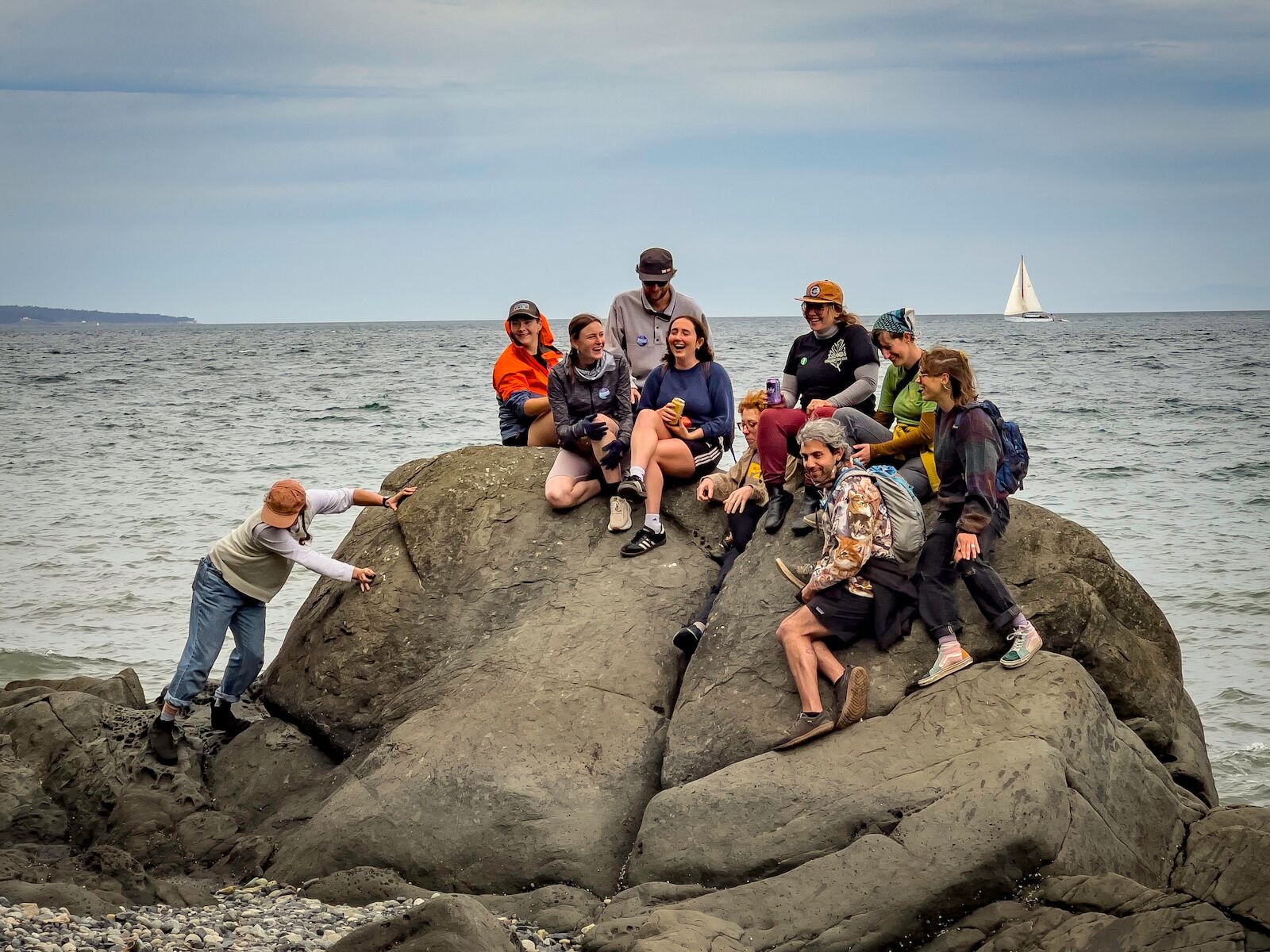
North Shore Preserve, Orcas Island, 2024
To test how well we had reached a cross section of potential voters in our efforts to promote the land bank idea, we commissioned a professional survey. The well-designed-and-implemented mail survey achieved an impressive 72% return rate with over 1000 surveys mailed out to 1-in-7 randomly-selected voters. It predicted an approximately 60% yes vote with plus-or-minus 3.5% error.
This demonstrated that the coalition building and art-based publicity campaign did help lay the groundwork for a successful vote in 1990 (59.7% yes). In the 34 years since, over $125 Million has been raised by the San Juan County Land Bank to both protect and manage access to our greatest shared asset: the natural environment.
.
OPAL Community Land Trust: Permanently-Affordable Housing,
More Information: https://www.opalclt.org
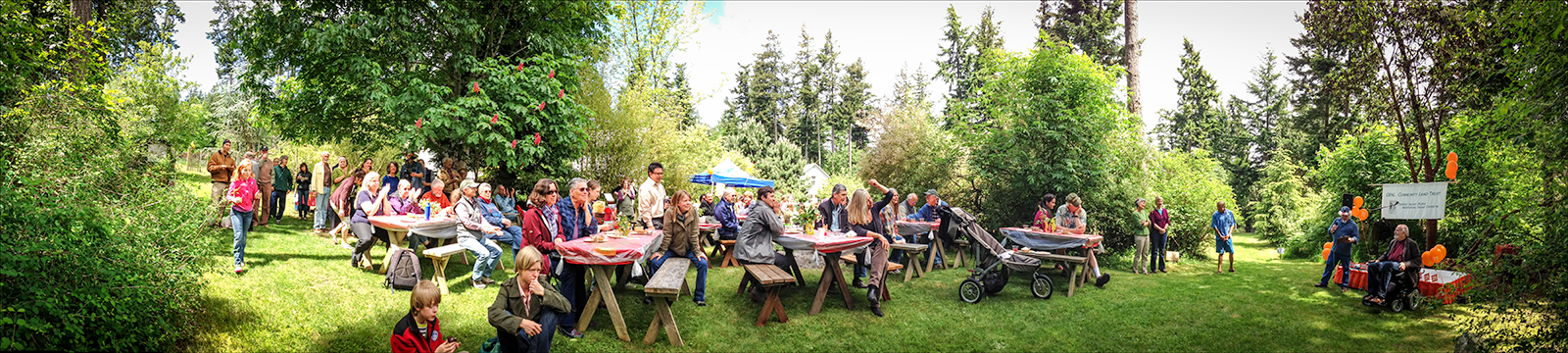
Opal Commons, Eastsound, 2014
My home, Orcas Island, has a tourist-and-retirement-based economy where few working residents can afford to purchase a home. Yet healthy communities require access to stable and secure housing. In 1989, a group of us created the non-profit OPAL (Of People and Land) Community Land Trust to address this need. The organization builds permanently-affordable homes for those with island incomes to buy or rent. OPAL’s form balances the rights of individual homeowners with community ownership of the land, thus creating a modern-day commons.
In 1998, several of us collaborated on an art show and book about the residents of the Opal Commons neighborhood titled Telling our Stories. Through compelling interviews and intimate portraits, the exhibition at Orcas Center presented, with visual dignity and resonant text, the often-invisible lives of regular folk.
One dad’s interview ends with, As he looks around and remembers the early days of Opal Commons, Mathew thinks of it as a miracle. Eighteen families, none of whom would otherwise own a home right now, many of whom would undoubtedly have had to leave the island, are all here contributing to this community. The power of ownership! To Mathew this means ‘knowing that we don’t ever have to move again for the rest of our lives, unless we want to.’
River Malcolm, a poet, wrote, Reading these stories infused me with the spirit of community, of human dignity, of helping one another by weaving together a fabric of caring. In a culture that stigmatizes financial need, these pioneering families have acknowledged their needs and created a rare vision of community and interconnection. Their example offers us an opportunity to help ourselves and others to be more at home in the world.
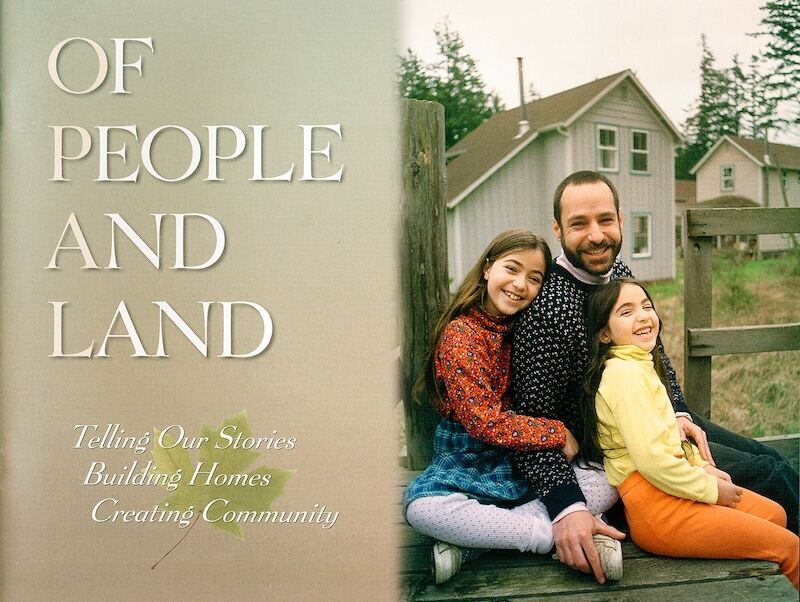
The exhibit & book project offered pictures and stories that connected the wider community to the people who live in OPAL. As a result, Telling our Stories helped OPAL positively influence both the island culture, and how locals felt about the fruits of our mission. Since 1989, OPAL has raised over $50 million and created over 200 homes and apartments. We have a caring ethic on Orcas Island I call our Family of Friends.
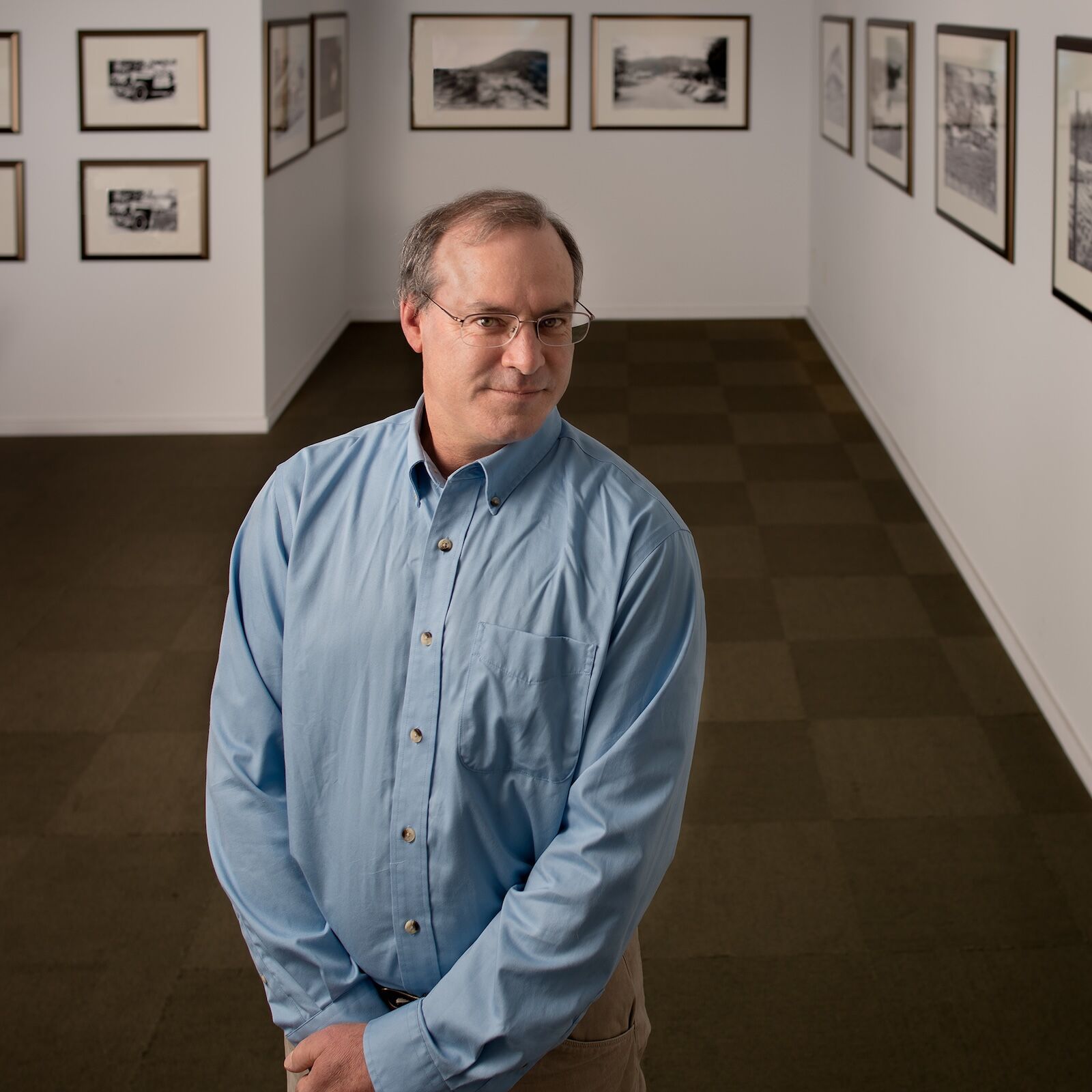
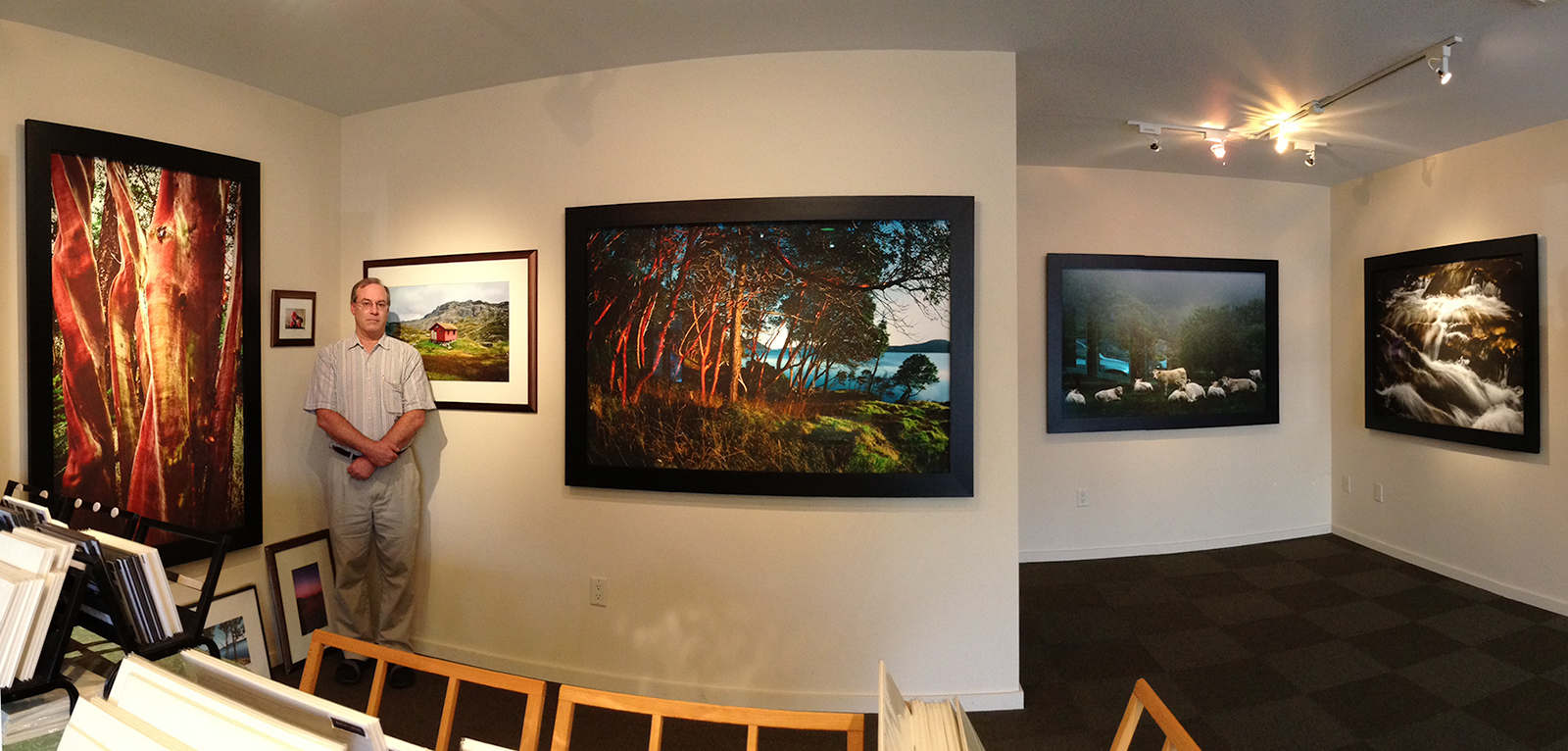
Peter C. Fisher Gallery, Eastsound, Orcas Island, 2012. Portrait by Will Aaron Fisher.
Are there causes you care about in your community that would benefit from an art project? What creative challenge presents you with a chance to stretch your photography, or music, or theater skills in new ways to benefit the place you live? How could your artistic insight and expression be best used as an agent for change?
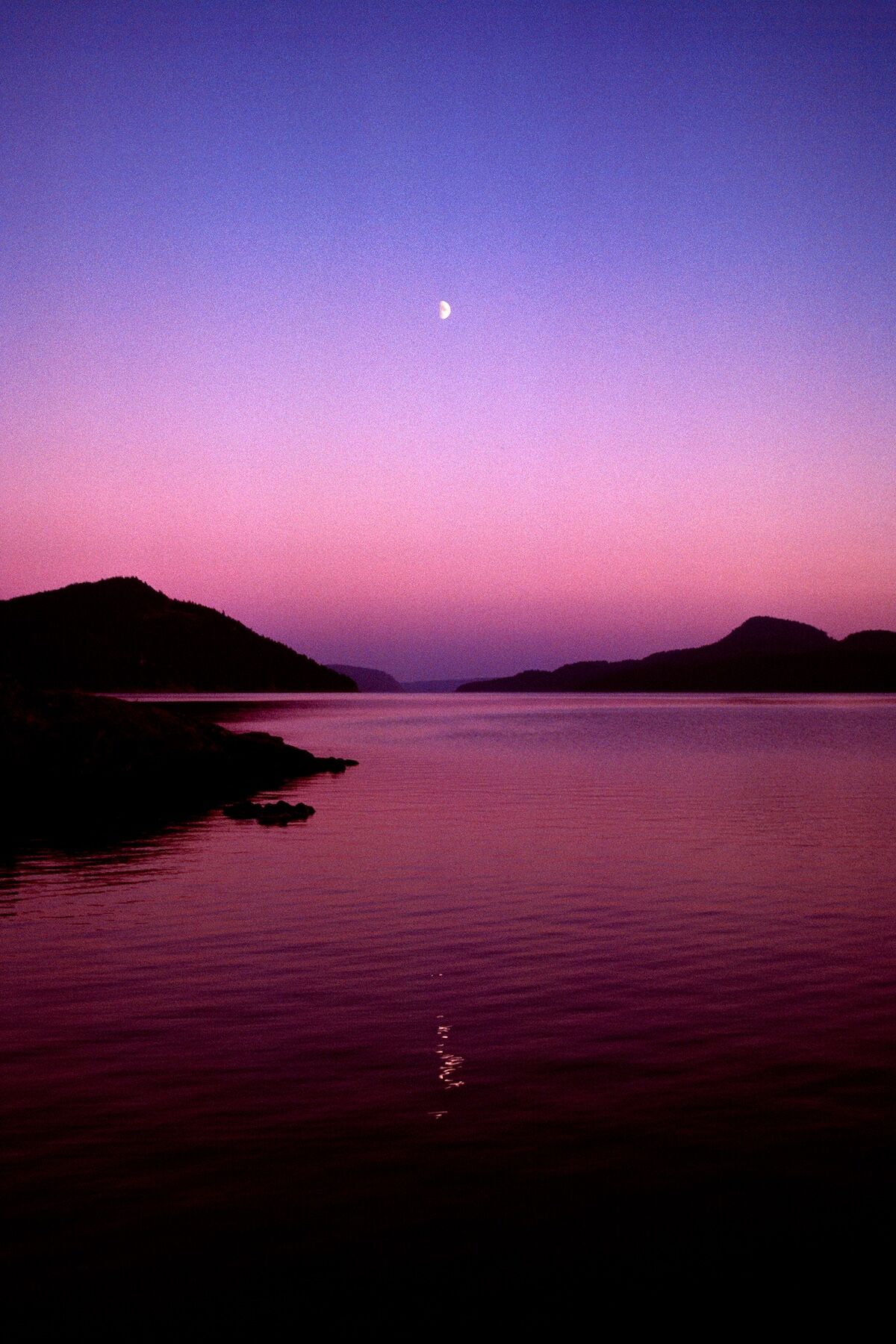
Moonrise over Madrona Point, Orcas Island, 1985
.
Resume for Peter C. Fisher • 2025
Education
1968–75 Charles Wright Academy; 5th–12th grade, Arthur Bacon was my photo teacher.
1975–77 Ansel Adams’ Workshop, Yosemite; 1975, Friends of Photog. Workshop; 1977
1975–79 Whitman College, Walla Walla Washington; I studied English & Art History.
1977–78 Hallingdal Folkehogskule, Gol, Norway; I learned Norwegian and met my family.
1984–85 Paper & Book Intensive Workshop, OxBow Center, Saugatuck MI; attended twice
1984–2003 Visits with papermakers Richard Flavin in Japan & Timothy Barrett at UIowa
Business
1973–79 HS College; newspaper, sport, theater, portrait & fine art photography
1984–92 Mantic Arts; photography, bookbinding and paper making services
1992–08 Outer Island Inc.; fine-art photography, historic images, maps, panoramas
2009–2025 Peter C. Fisher Gallery, Eastsound; 2009–2020, re-opening 2025 in Grindstone Pt.
Photography Exhibitions
1974–75 Group and solo shows, Charles Wright Academy; Tacoma Art Museum
1976–77 Solo shows, Olin Gallery, Whitman College; Shadow Gallery, Portland
1986 Madrona Point book and group show, Orcas Center, Eastsound, WA
1992 Orcas Idylls book and Eastsound in the ’80s, Orcas Center, Eastsound, WA
1998 Telling Our Stories, about Opal Commons residents, Orcas Center, Eastsound, WA
2003 An Epiphany of Wildflowers, featuring 18"x 27" prints, Orcas Center, Eastsound, WA
2004, Jun. Historic Orcas Postcards exhibit, the Living Room, Eastsound, WA
2004, Dec. Black & White Portraits and Landscapes show, Living Room, Eastsound, WA
2005, Sep. Island Elements, Darvill’s Gallery, Eastsound, WA.
2006 Madrona Point Insights, Darvill’s Gallery and Orcas Farms, Orcas Center.
2008, Jan. Still Life: Stark Contrasts, Orcas Senior Center, Eastsound, WA
2008, Apr. Mexico: Light Travel, Edna Gallery, Eastsound WA.
[Date?] Opened Peter C. Fisher Gallery in Eastsound, Orcas Island, Washington
2009 Chalk is Cheap, the first exhibition at Peter C Fisher Gallery, Eastsound, WA
2010 SK84EVER, Skateboarding by Will Fisher, Peter C Fisher Gallery Eastsound, WA.
2011 Iridescence, Peter C Fisher Gallery, Eastsound, WA
2012 Historic Orcas Postcards exhibit, at Peter C Fisher Gallery and the Orcas Museum.
2014 Norway: Family and Friends, Peter C Fisher Gallery, Eastsound, WA
2015 40th Anniversary Exhibit: 12 Favorites Images, featuring 40"x60" prints, PCF Gallery
2019 Madrona Point: Sharing a Vision for Peace, Peter C Fisher Gallery, Eastsound, WA
2021 Historic Maps of Orcas and the San Juans exhibit, Historical Museum, Eastsound, WA
2025 50th Anniversary Exhibition, Orcas Center, Eastsound, WA
Publications
1984–89 Created and sold an edition of seven handmade books about Madrona Point.
1992 Published the handmade Orcas Idylls portfolio book in an edition of 12.
1999 Of People and Land: Telling our Stories, a book about OPAL Commons
2006 Orcas Farms, an unpublished book of the photo exhibition at Orcas Center
2009 Inspired by Spirit, a limited-edition, illustrated autobiography
2016 Creative Energy and Science, presentation at University of Wisconsin
Teaching
1974–75 Taught advanced darkroom photography at Charles Wright Academy.
1983–2014 Taught Camera and Zone System until 2000, then Printing from Photoshop in 2014
2014–21 Personal instruction with my teaching tool, The Photographer’s Decision Making List
Initiatives supporting the arts and the creation of a healthy community
(Over $175 million raised from 1984 to 2025.)
1984–1990 Spearheaded the creation of a region-wide coalition to preserve Madrona Point. Together we procured $2.2 million from the U.S. Congress to purchase the land from the developer and give it back to the Lummi Nation. William R. Hearst II buys three of my Madrona Point books as gifts for senators.
1984–1992 OPAL Community Land Trust; I started the idea in 1984 and co-founded the non-profit corporation in 1989. During my four years on the board, and two years as president, I stewarded Opal Commons, our first project of 18 homes. OPAL has raised over $50 million, and built over 200 permanently-affordable units.
1986–1990 Friends of the San Juans; I served for four years on the board, three as president. To raise money for land conservation, I initiated and stewarded the creation of the San Juan County Conservation Land Bank. Since 1990, the program has raised over $125 million and has been reauthorized in 1999, 2011, and 2024.
2005–2008 Eastsound Planning Review Committee; as a three-year member, and two-year chair of the EPRC, I organized an art show, a theater piece (a comedy about planning), and a workshop about Eastsound’s future in which over 500 islanders participated.
2008–2010 Orcas Island Community Foundation; as a board member of the OICF, I created the conceptual proposal, COIN (Community Investment Fund) to procure funding to serve more local needs.
2017–19 [What’s missing here?]
2024–present On the board of directors, then president, of Orcas Island Historical Museum in 2025. Kids and Canoes is a new program that will offer cultural education in the schools and in the wider community. In addition, we are collaborating with The Coast Salish Institute to update our exhibits to include Lummi history. One of our longer-term goals is to help create the Tselwesin Center, a proposed Lummi heritage and cultural education center on Madrona Point.
2025 Madrona Point Insights show at Orcas Center & re-opening the Gallery
2025 From May 23rd until June 24th Orcas Center will feature an exhibit titled Madrona Point Insights. On June 7th I will give a slideshow/talk titled Development or preservation? How The Orcas and Lummi community joined together to save Madrona Point. [Title Case for title?]
2025 In May of 2020, I closed my gallery in Eastsound, due to the effects of Covid and my ailing father’s need for full-time care. Recently, I have been converting my old home workshop into a new gallery space. Look for the new Peter C Fisher Gallery at Grindstone Point to open some time in 2025 or 2026. Below is a portrait of me in my gallery in Eastsound in 2015.
Links related to content in this article:
1. https://en.wikipedia.org/wiki/The_Great_Wave_off_Kanagawa
3. https://en.wikipedia.org/wiki/Pepper_No._30
4. https://smarthistory.org/rembrandt-the-night-watch/
5. https://smarthistory.org/picasso-guernica/
6. anseladams.com/products/explore-moonrise-hernandez-new-mexico
7. https://www.hallingdalfhs.no/