50 years of photographing the San Juan Islands
San Juan Islands Portfolios
Madrona Point Insights
Madrona Point is a beautiful and ecologically fragile 30-acre peninsula south of the village of Eastsound on Orcas Island, Washington. It is considered sacred land by the Lummi Nation and served as their native burial ground. After settlers arrived it became a white and mixed-blood cemetery. In the late 1880s, after a contested sale, the land fell into private ownership. In 1913 it became a resort. In 1967 the point and resort were bought by multi-millionaire Norton Clapp. In 1982 Clapp’s company, Northwest Building Corporation, proposed building 80 condominiums on the point. It would have been biggest development to ever have taken place on Orcas.
Madrona Point is one of my favorite places. At the time, when I heard the news of the planned development, I felt broken hearted at the thought of losing this sacred, natural site. It was then that I committed myself to the cause of purchasing Madrona Point for preservation. In an incredible story with many twist and turns, and through the efforts of many, including the Lummi Tribe, The Church Council of Greater Seattle, William Hearst II, Senators Daniel Inouye and Slade Gorton, and Representative Norm Dicks, we obtained an appropriation from the U.S. Congress for the $2.2 million asking price, purchased Madrona Point, and returned it to the Lummi Nation.
On February 17, 1990, Lummi Leaders and Orcas islanders gathered together in celebration at the Oddfellow’s Hall.
Unfortunately, the 1989 agreement signed by the Lummi Tribe and San Juan County did not include funding for the management of Madrona Point. As a result the burials sites have never been protected and the land itself has not been cared for. As of 2024 a renewed effort to care for the land, and fulfill the 1987 Lummi Vision to build a Cross Cultural Understanding and Heritage Center, is gaining momentum. I write this in the hope that a management plan is agreed to for the sake of the Lummi, for those on Orcas, and for all of our ancestors.







Orcas Idylls
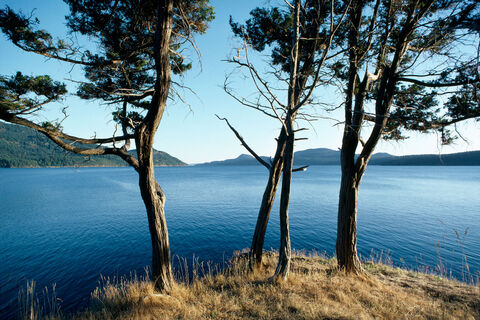
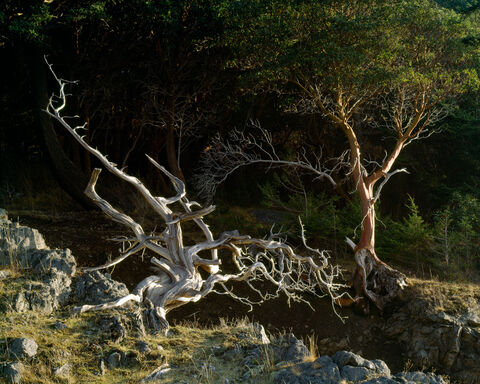
The Orcas Idylls portfolio is a diverse collection observations made on my daily walks around Orcas Island between 1983 and 1992.
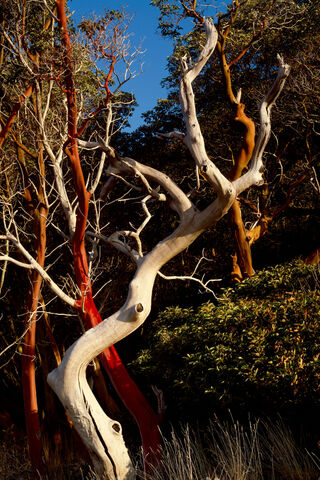
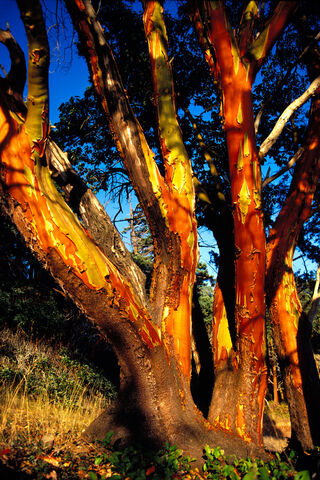
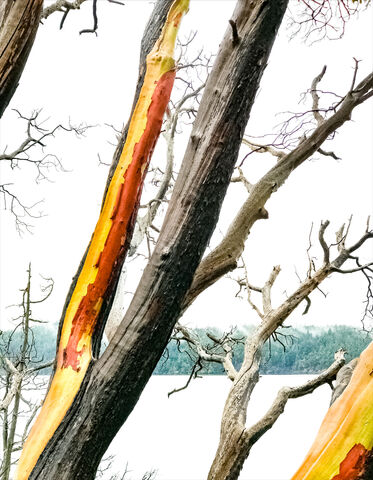
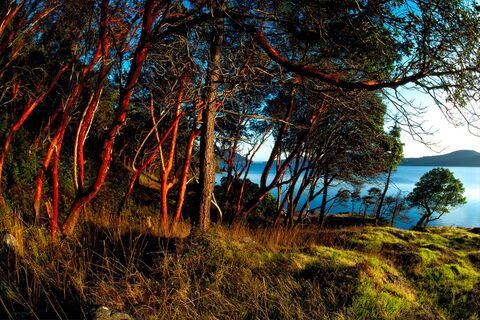
A spectacular grove of madrona trees glows in the warmth of sunset (Madrona Grove at Sunset). A herd of cows, a beautiful, white, French breed known as Charolais (bred by my neighbor, Hollywood character actor Charley Arnt, when he owned Driftwood Ranch) pose for a portrait (Charolais).
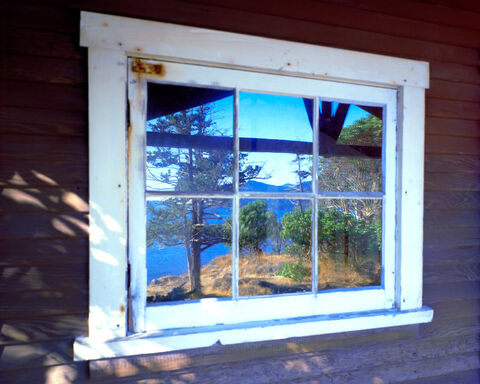
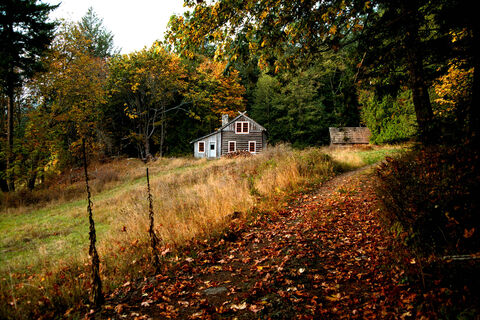
The image Norske Cabin shows a cabin I vacationed in when I was younger. It was built in the 1880s, in a Norwegian style, from hand-hewn logs.
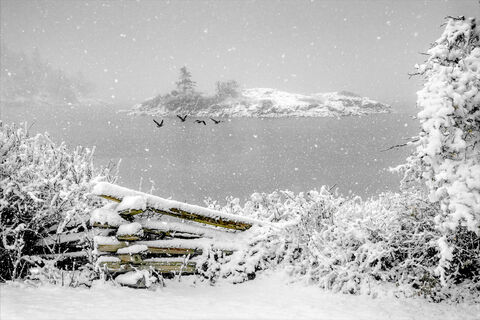
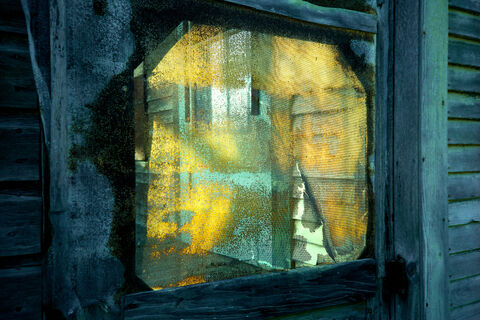
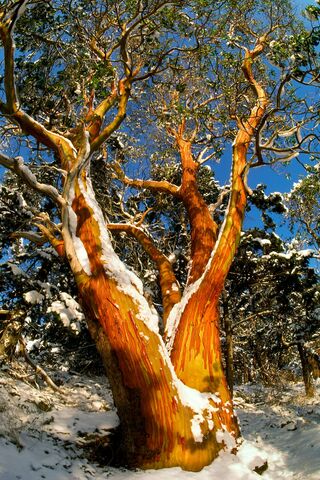
Frost adorns a cattail in a wetland at dawn (Frosty Cattail). A rusty screen on an old farmhouse door is backlit in iridescent yellows, and subtle reds and greens (Screen Door). Snow adds a dramatic element of white to a madrona tree standing against a blue, winter sky (Snowy Madrona Tree). Fog shrouds the stream feeding into Cayou Slough which supported three indigenous salmon runs. At the time this photo was taken old, abandoned Lummi reef net canoes were still visible on the left bank (Fog at Cayou Slough).
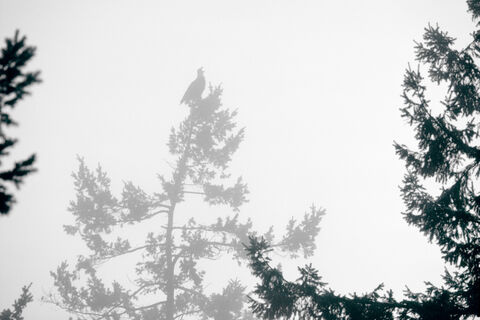
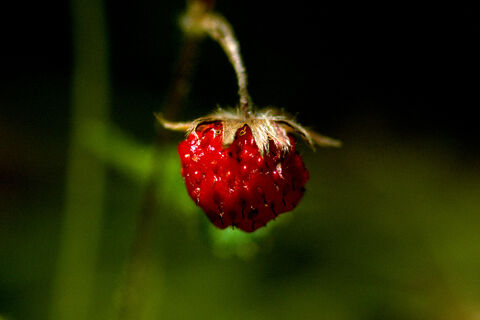
Next to a pond I found Douglas spirea, better known as hard-hack, a native plant with a beautiful pink flower (Douglas Spirea). I was roused from my reading by the piercing sound of a bald eagle calling from its nearby perch (Eagle Calling). Seeking out tasty native salmon berries, thimbleberries, purple-blue gooseberries, along the trail, I instead found a tiny wild strawberry (Wild Strawberry).
In the twilight at Buckhorn Beach, I placed a single firework on a floating log and gave it a push (Fireworks After Sunset). The time-lapse exposure captured every individual firing as the drifting display traced an arc toward the fading light, making for a beautiful, island-style July 4th celebration!





An Epiphany of Wildflowers
The images in this series, photographed on Orcas, Waldron, and Yellow islands in the San Juans, offer wondrously engaging closeups of the delicate and diverse native island flora.
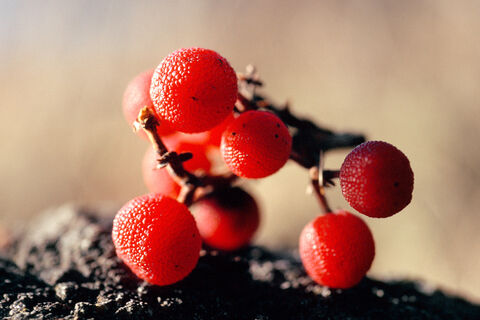
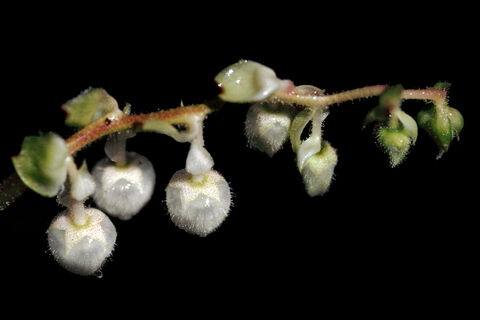
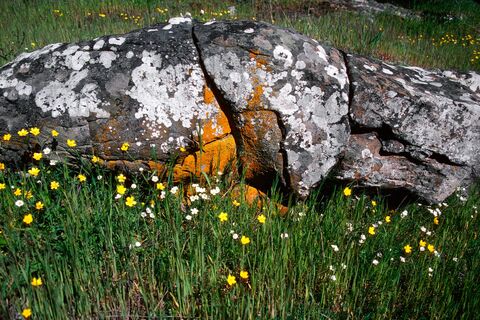
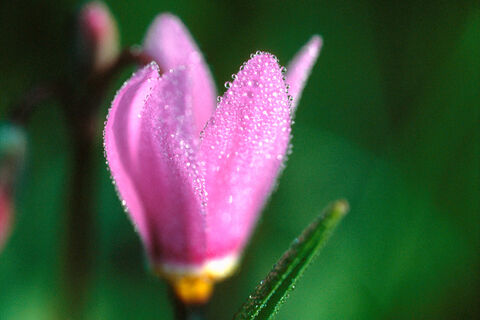
Imagine the joy of finding a field of buttercups (Buttercup and Chickweed)! Or lying down in the grass to appreciate a Shooting Star sparkling and glistening with dew (Shooting Star) or finding a cluster of freshly-fallen madrona berries perched on a rocky outcrop, glowing from within, illuminated by the strong side light of the morning sun (Madrona Berries). Or accidentally finding out, firsthand, the secret of Salal—it’s surprisingly sticky with resin (Salal)!
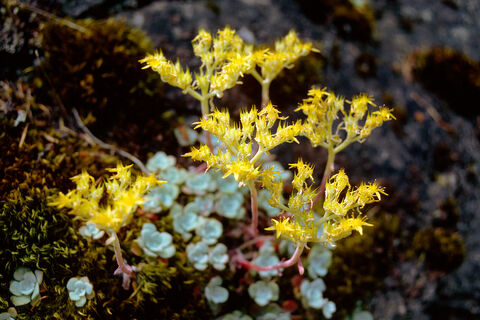
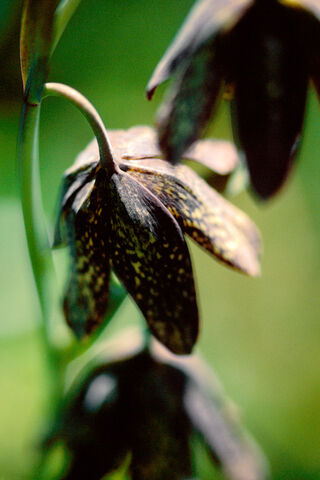
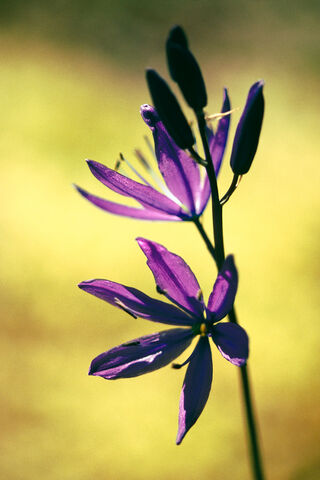
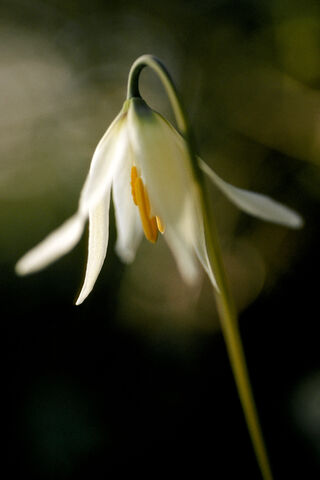
Yellow Island, known for its wildflowers, lives up to its name. Purple-flowered camas, backlit and bright, pop against a contrasting backdrop of yellow wildflowers (Camas). Their edible bulbs are prized by the Lummi. Beware however! White-flowered camas bulbs are deadly. Another Yellow Island native, the chocolate lily, is more subtly demure with its pedals of speckled-yellow and brown (Chocolate Lily)
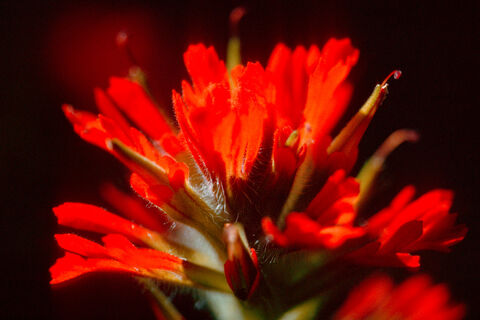
In the San Juans one can also find Indian Paintbrush, whose vivid, red petals seem on the verge of bursting with chromatic tension (Indian Paintbrush).
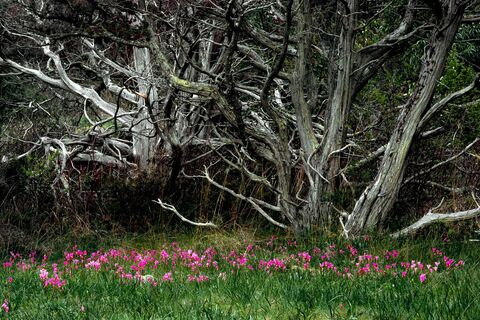
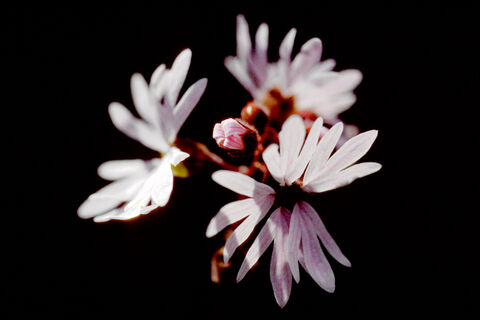
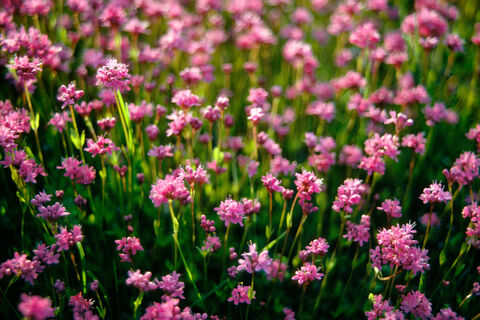
Other island natives include sea pink which used to carpet the glades kept open by wildfires set by the ancestral residents of theses islands in order to promote Camas production (Sea Pink). The woodland star grows a tiny, modest flower whose translucent petals are suffused with soft, pink veins (Woodland Star). What the calypso orchid, also known as the fairy slipper, lacks in height it makes up for in delight as its beautiful pink and purple flowers enliven the surroundings of the forest floor (Calypso Orchid).

Island Elements
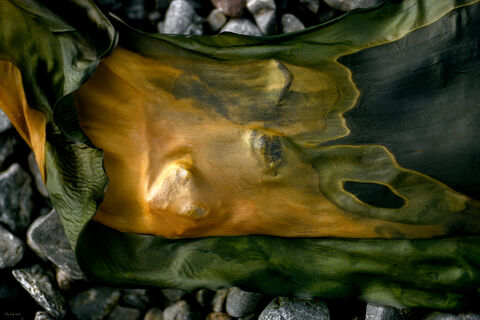
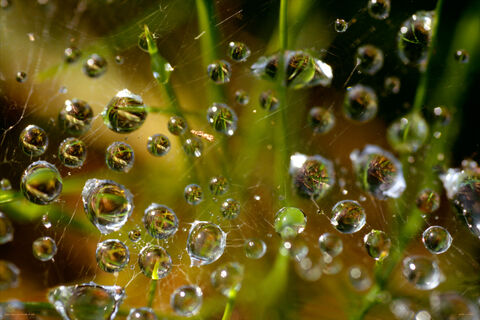
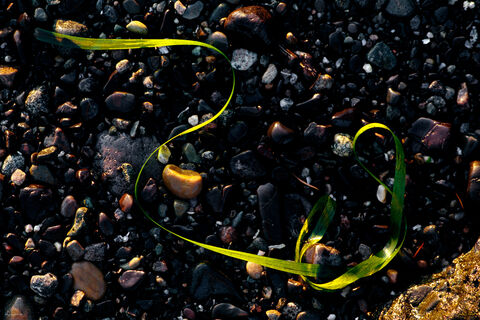
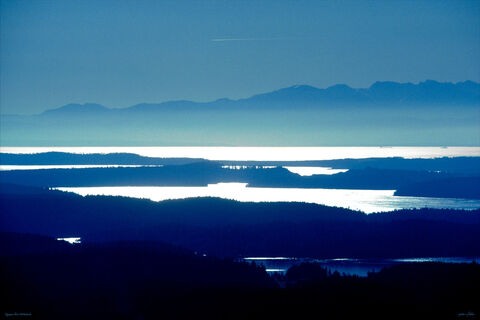
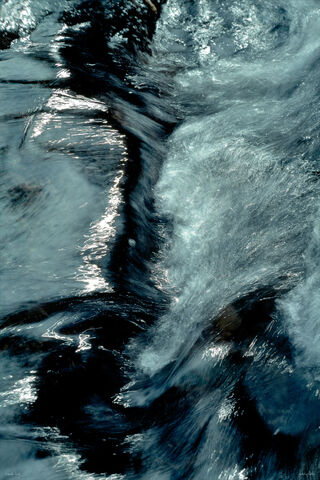
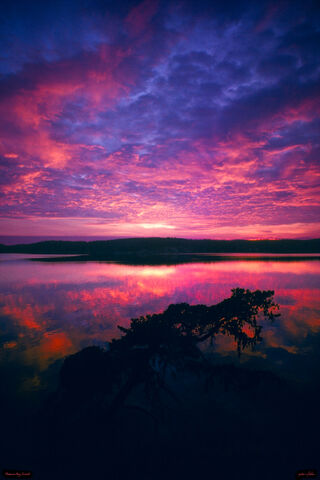
The images in this portfolio exemplify the joy I find in contemplative observation. Sometimes these observations happen up close, like discovering a cascade of water drops magically held aloft by a spiderweb suspended among blades of grass (Water Drops with Spiderwebs in Grass) or noticing the abstract, color composition in a kelp frond found clinging to a rocky beach (Dry Kelp Frond). Sometimes I observe from afar, like taking in the grand view across the San Juan de Fuca strait to the majestic Olympic Mountains (Olympics from Turtlehead) or a sunset from Lum Hill where I lived in a tent one summer (Sunset View from Lum Hill).
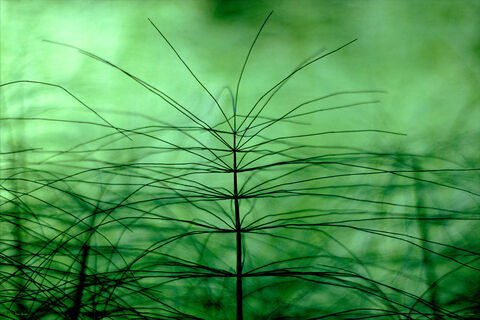
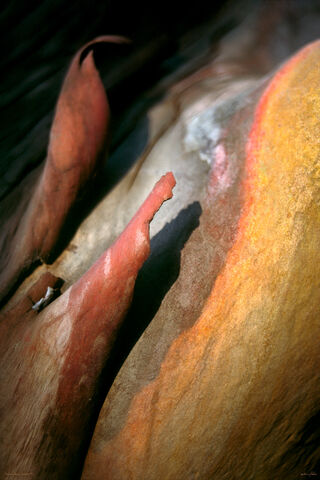
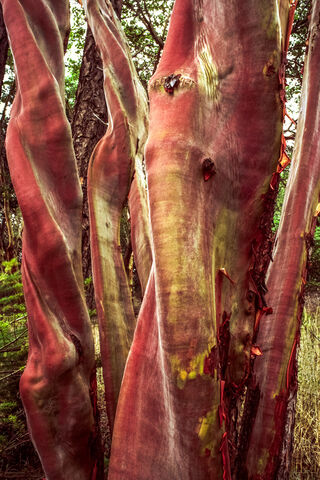
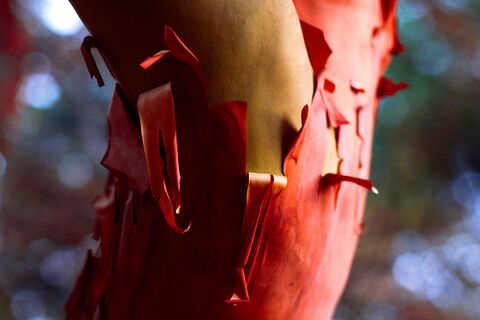
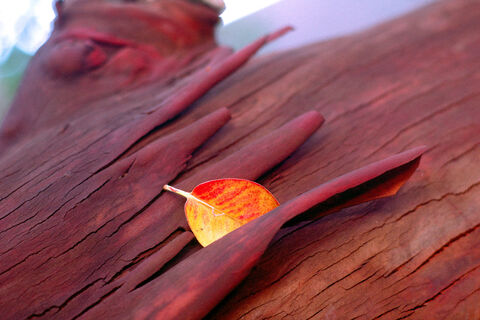
Have you ever scrutinized horsetail from a ground-level perspective? By using a telephoto, macro lens, I was able to isolate a single plant’s shady stalk against a glowing backdrop of its sunlit neighbors (Horsetail). Every year madrona bark peels away in curls. I found one particular curl bathed in an almost cinematic pool of light (Madrona Bark).
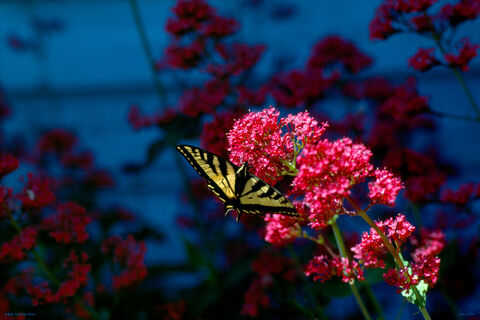
You may have heard Louis Pasteur’s dictum, “Chance favors the prepared mind.” In 1975, while attending Ansel Adams’ June Workshop in Yosemite, I heard portrait photographer Arnold Newman echo the wisdom as, “Good accidents happen to good photographers.” I’ve experienced such fortunate chance on a few occasions. Once, as I was setting up to photograph valerian flowers basking in the sun by the side of the house, a monarch butterfly flew into frame for a sip of nectar making for a beautiful, unplanned shot (Monarch Butterly on Valerian Flower). On another occasion, I found myself driving by a “slam on the brakes” shot, in progress, on my way to work. Near Orcas Landing fog had transformed a familiar landscape into a surreal work of art (Foggy Morning Near Orcas Landing).